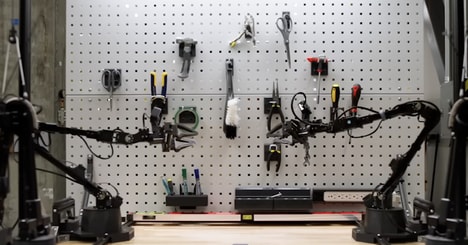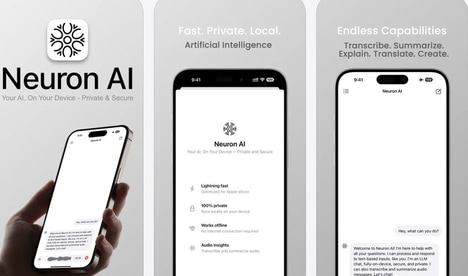

Google’s Gemma 4 introduces a new approach to AI deployment by prioritizing high performance in smaller, efficient models that can run directly on personal devices. Unlike traditional cloud-based systems, these models support advanced reasoning, multimodal inputs, and agent-like task execution while operating locally on smartphones, laptops, and edge hardware. This shift enables faster processing, improved privacy, and reduced reliance on constant internet connectivity, making powerful AI more accessible to developers and everyday users alike.
For businesses, this signals a move toward decentralized AI ecosystems where companies can integrate intelligent features without heavy infrastructure costs. Brands can develop customized, on-device experiences, from offline assistants to real-time analytics tools, while maintaining greater control over data. As competition increases, organizations that adopt efficient, locally deployable AI solutions will be better positioned to deliver responsive, scalable, and privacy-conscious products.
Image Credit: Google
What Makes This Trend Stand Out
- On-device Multimodal Reasoning
- Lower latency and enhanced privacy resulting from complex multimodal inference performed locally on devices, supporting richer personalized interactions.
- Decentralized AI Ecosystems
- A shift from cloud-centric models toward distributed, locally hosted intelligence that reduces infrastructure costs while enabling greater data control and resilience.
- Lightweight Agent Models
- Smaller, efficient agent-like models capable of autonomous task execution on edge hardware, allowing sophisticated automation without continuous connectivity.
Sectors Adopting This
- Consumer Electronics
- Advanced on-device AI inference yielding more responsive, privacy-preserving interfaces and novel product differentiation in smartphones, wearables, and home devices.
- Healthcare
- Local processing of sensitive multimodal patient data producing faster diagnostics and improved privacy safeguards for clinical and remote-monitoring applications.
- Automotive
- Edge-native intelligent systems supporting real-time perception and decision-making in vehicles, reducing reliance on network connectivity for safety-critical functions.