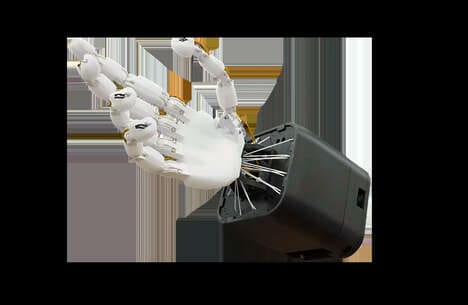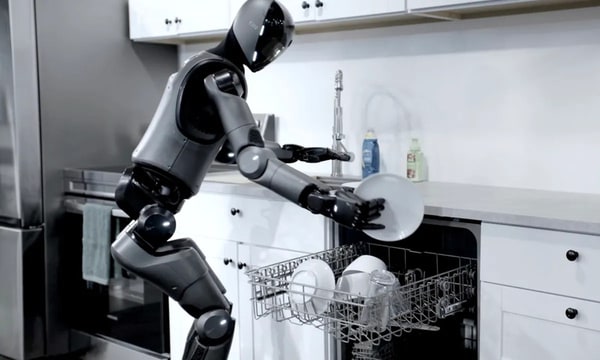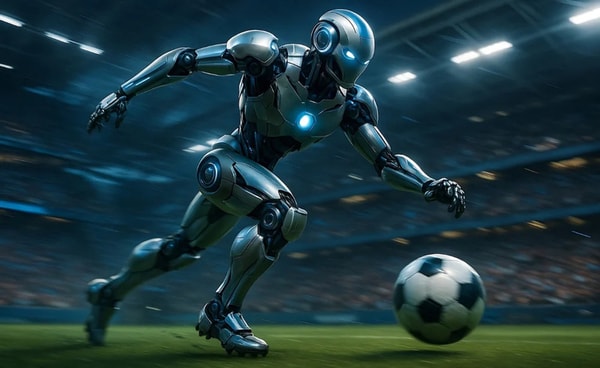
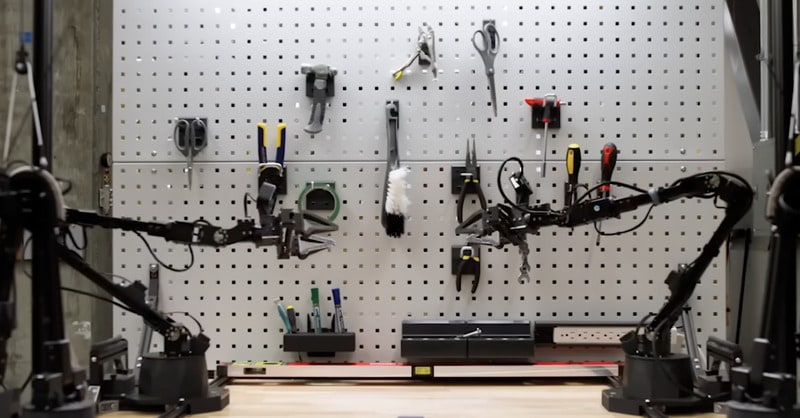
Gemini Robotics is a suite of robot-focused AI models developed by Google DeepMind and built on the Gemini 2.0 architecture. It is designed to enable robots to perceive, reason, and act within physical environments using multimodal inputs such as vision, language, and sensor data. The models emphasize generality, allowing systems to adapt to varied tasks rather than being trained for single-purpose workflows.
Gemini Robotics supports interactive and dexterous behavior, aiming to bridge the gap between digital intelligence and real-world execution. It currently powers platforms including ALOHA 2 and Apptronik’s Apollo humanoid robot. From a business perspective, the technology signals progress toward scalable, flexible robotics that could reduce task-specific engineering and accelerate deployment across industries such as manufacturing, logistics, and service operations.
Image Credit: Gemini Robotics
What Makes This Trend Stand Out
- General-purpose AI Integration
- General-purpose AI systems are advancing robotic capabilities, enabling them to perform a wider array of tasks without the need for specific programming.
- Multimodal Perception in Robotics
- Robots equipped with multimodal perception can gather and analyze diverse types of input, improving their interaction efficiency and adaptability in complex environments.
- Flexible Robotic Systems
- The development of flexible robotic systems offers the possibility of reducing the costs and time associated with customizing robots for specific tasks.
Sectors Adopting This
- Manufacturing
- Manufacturing industries stand to benefit from robots that can adapt to various tasks, enhancing automation and efficiency in production processes.
- Logistics
- Logistics operations can be transformed with adaptable robots, improving fulfillment speed and accuracy by handling diverse functions.
- Service Operations
- Service operations can leverage advanced robots for more effective interaction and task execution, potentially reshaping customer service experiences.