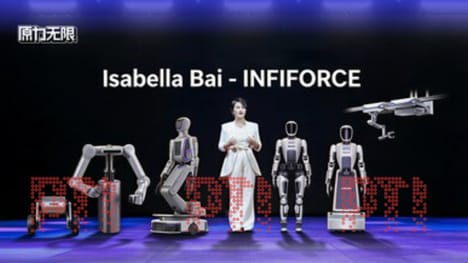
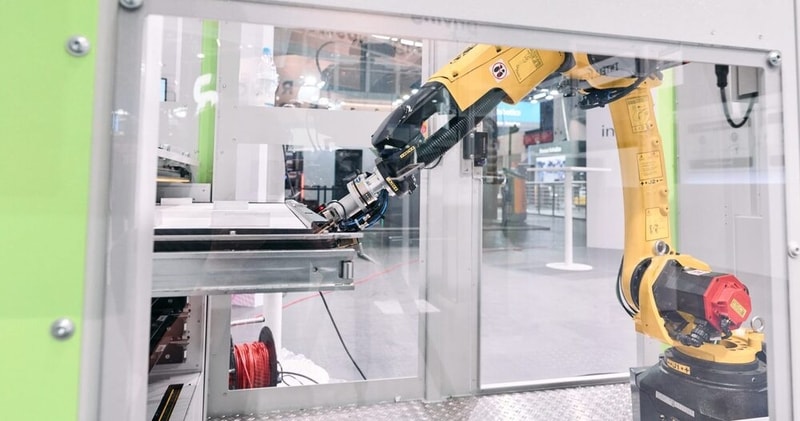
Google absorbed the Intrinsic flowstate platform, bringing the startup’s robotics software into Google proper. Intrinsic built Flowstate, as a web-based platform designed to let manufacturers compose robotic applications without heavy manual coding, and it will now work closely with Google DeepMind and Google Cloud, featuring integration with Gemini models.
Flowstate is hardware-, software- and model-agnostic and functions as an operating layer for robots rather than a single robot product. The move followed related hires and partnerships, including DeepMind collaborations and recent work with Boston Dynamics and Foxconn, and aligns Intrinsic’s acquisitions like Open Source Robotics Corp. under Google’s infrastructure.
For enterprises, the integration promises easier deployment of perception and learning capabilities across factory fleets, reducing specialist engineering time and speeding automation projects. Tightly coupling Flowstate with Gemini and Cloud could standardize robot software stacks and accelerate adoption of general-purpose industrial robots.
Image Credit: AINEWS
What's Driving This Trend
- Model-integrated Robot Orchestration
- A trend toward embedding large multimodal models into robot orchestration layers could enable fleet-wide learning and continuous improvement across heterogeneous hardware.
- No-code Robotics Platforms
- Platforms that allow composition of robotic applications through web interfaces instead of manual coding may democratize automation expertise and broaden the pool of deployable solutions.
- Hardware-software-model Agnosticism
- The rise of agnostic operating layers for robots promises vendor-neutral ecosystems where software and models can be interoperable across diverse robot types.
Who This Affects Most
- Manufacturing and Assembly
- Standardized robot software stacks in factories could reduce integration costs and shorten time-to-deploy for adaptable production lines.
- Logistics and Warehousing
- Automation in fulfillment centers stands to benefit from fleet-level perception and learning, enabling resilient, scalable sorting and picking workflows.
- Industrial Software and Cloud Services
- Cloud-integrated robot operating layers paired with foundation models create opportunities for recurring SaaS offerings and centralized model update pipelines.