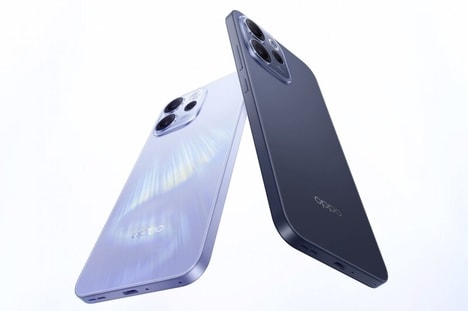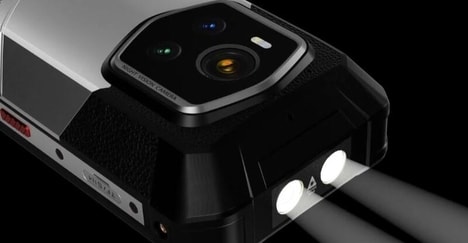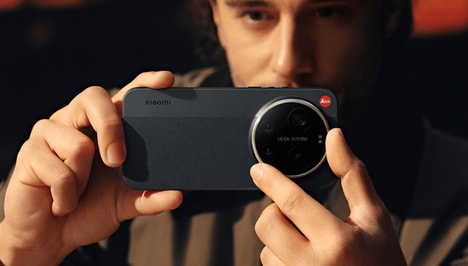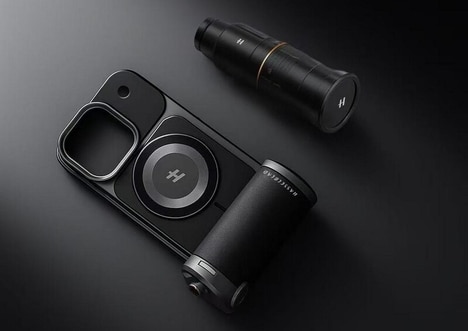
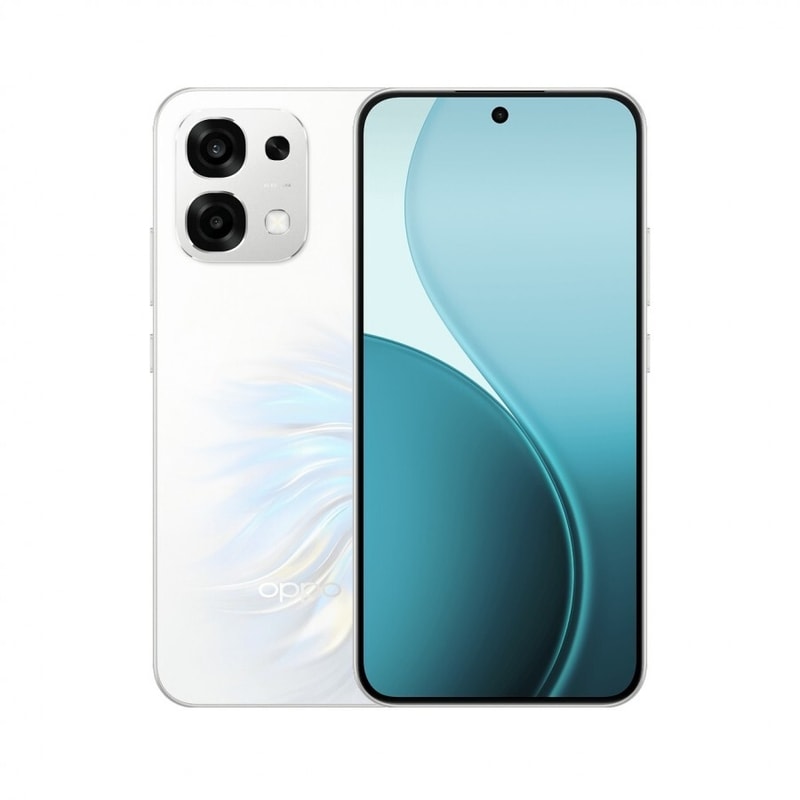
The OPPO F33 and F33 Pro smartphones are making their debut in India as a series of mobile devices that prioritize advanced processing power, photography capabilities and more. The smartphones are equipped with a 6.57-inch AMOLED display with FHD+ resolution with an in-display optical fingerprint reader to maximize ease of access for users. The F33 Pro introduces a massive 50MP selfie camera with a 100-degree field of view to maximize its ability to capture group shots with ease, while the F33 features a standard 16MP lens.
The OPPO F33 and F33 Pro smartphones are rounded out with a large 7,000mAh battery alongside support for 80W SUperVOOC wires charging, while also offering an IP69K ingress protection. The devices each run the Android 16-based ColorOS 16 operating system.
Why This Trend Is Growing
- Ultra-high-resolution Selfie Imaging
- The move to 50MP front sensors with large fields of view reveals potential for novel multi-sensor front-camera modules and advanced computational portrait algorithms that redefine front-facing image fidelity.
- Group-focused Wide-angle Front Cameras
- Wider selfie lenses aimed at capturing multiple subjects highlight opportunities for immersive social-capture formats and on-device stitching or depth-mapping tailored to group photography.
- Battery and Fast-charge Powerhouses
- Massive batteries combined with 80W fast-charging support point to new form factors balancing long endurance with rapid replenishment and thermal-management architectures for sustained performance.
Industries Being Reshaped
- Smartphone Manufacturing
- Component and chassis designers face pressure to integrate larger or multi-element front-camera systems while maintaining slim profiles and ingress protection standards.
- Mobile Photography Accessories
- Third-party lens, lighting, and stabilization makers encounter demand for tools optimized for high-resolution front cameras and wide-angle group capture workflows.
- Social Media and Content Platforms
- Platforms and editing-app providers are seeing a shift toward supporting richer front-camera content types, higher-resolution selfies, and new engagement formats driven by enhanced capture capabilities.