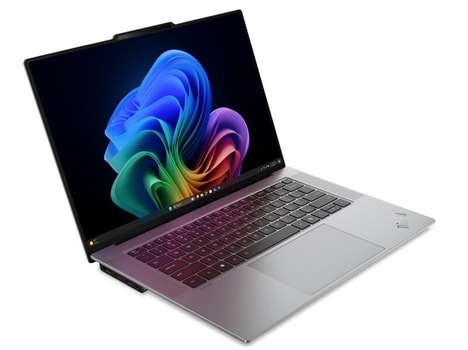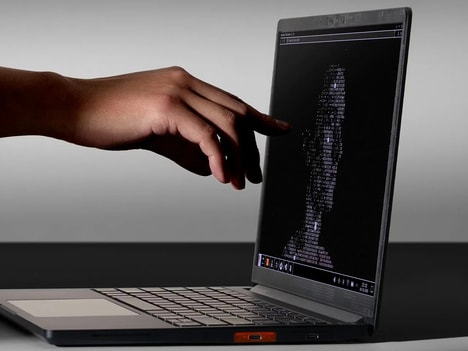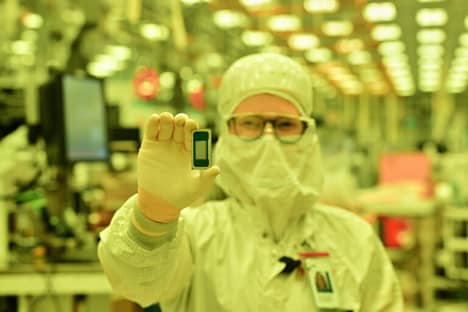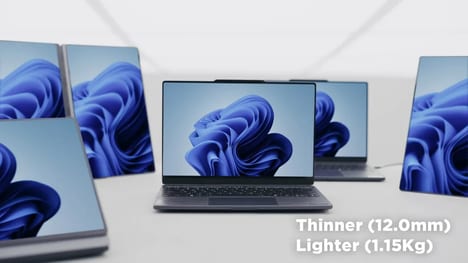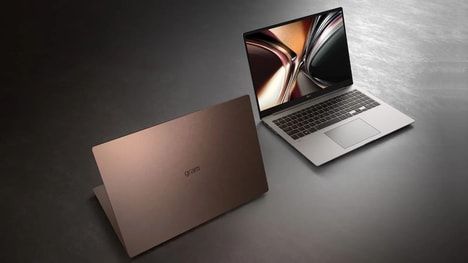
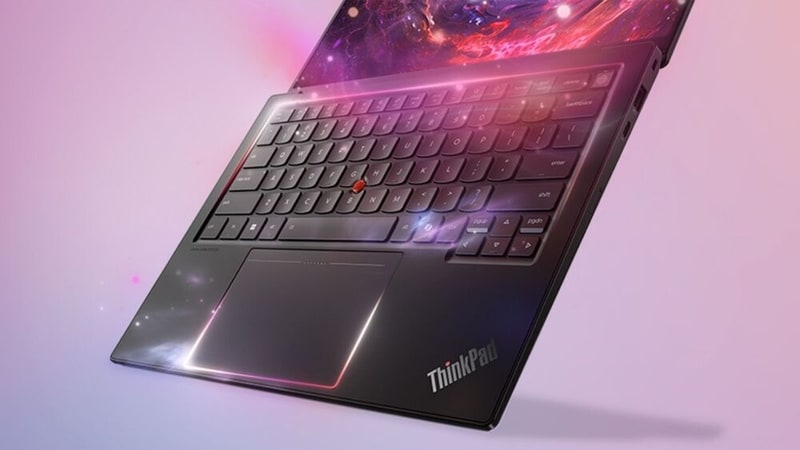
The Lenovo ThinkPad X1 Carbon Gen 14 Aura Edition laptop is a business-ready ultrabook engineered with the performance needs of professionals in mind to help them enjoy robust daily productivity support. The laptop is engineered with an all-metal and carbon fiber chassis that weighs in at less than 2.2-pounds, and is built to MIL-STD-810H specifications . The 14-inch laptop boasts an Intel Core Ultra Series 3 processor with on-device artificial intelligence (AI) that supports Copilot+ alongside routine automation and more.
The Lenovo ThinkPad X1 Carbon Gen 14 Aura Edition laptop is outfitted with three Thunderbolt 4 ports to support high-speed data transfer from multiple peripherals at once. The laptop thus supports fast charging, while WiFI 7 and a replaceable battery and keyboard help future-proof the computer.
Image Credit: Lenovo
What's Driving This Trend
- Ultra-light Carbon-fiber Construction
- The shift to sub-2.2-pound carbon fiber chassis creates scope for premium, ultra-portable workstations that reshape expectations for durability and mobility.
- On-device Artificial Intelligence
- Local AI Copilot+ capabilities point to laptops that can provide low-latency, privacy-preserving automation and contextual assistance without cloud dependence.
- Future-proofed Connectivity and Modularity
- Integration of Thunderbolt 4, WiFi 7, and replaceable components signals an emerging platform model where longevity and expandability become competitive differentiators.
Who This Affects Most
- Enterprise IT Procurement
- Procurement strategies are likely to prioritize lightweight, MIL-STD-certified devices with integrated AI to balance employee productivity, lifecycle costs, and security.
- Laptop and Component Manufacturers
- Manufacturers face pressure to innovate with advanced materials, modular designs, and on-device AI stacks to capture premium business segments.
- Peripheral and Docking Ecosystem
- Demand for multi-port Thunderbolt hubs and high-speed accessories is expected to grow alongside ultralights that rely on peripheral expansion for workstation-class workflows.