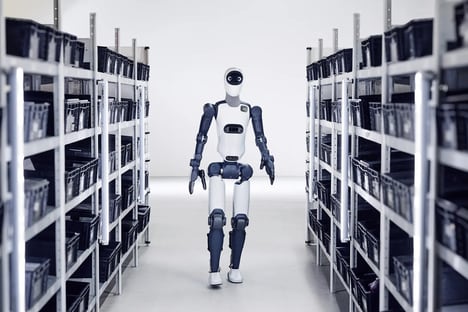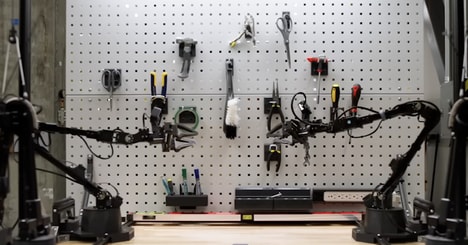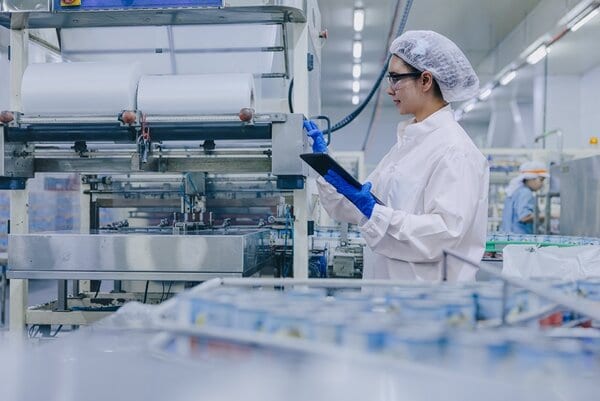
The AI-powered industrial robots developed through the collaboration between Agile Robots and Google DeepMind signal a shift toward more adaptive and intelligent manufacturing systems. By integrating Gemini Robotics models with scalable hardware platforms, these systems are able to learn from real-world environments, improving performance through continuous data collection and iteration. This creates a feedback loop where deployment strengthens capabilities, allowing robots to handle more complex and variable tasks across industrial settings.
This development could reshape production efficiency and labor dynamics across manufacturing sectors. Companies may benefit from reduced operational costs, increased flexibility, and faster response to changing demands. At the same time, it introduces new opportunities for AI-driven service models and data-centric optimization strategies. As these systems scale, industries will likely prioritize adaptable automation that can evolve alongside shifting market needs.
Image Credit: Agile Robots
What Makes This Trend Stand Out
- Adaptive Learning Automation
- Robots that continuously retrain on shop-floor data, creating potential for rapid customization of production lines and reduced downtime.
- Real-world Data Feedback Loops
- Continuous deployment-driven data collection that refines models over time, offering prospects for incremental performance gains and context-aware task execution.
- AI-driven Service Models
- Shift from one-time equipment sales to data-centric subscription offerings, presenting avenues for recurring revenue tied to ongoing model improvements and insights.
Sectors Adopting This
- Automotive Manufacturing
- High-variation assembly tasks that benefit from adaptive robots, suggesting opportunities to lower retooling costs and accelerate model changeovers.
- Electronics Assembly
- Precision and small-part handling demands that align with continual learning systems, indicating potential for higher yields and faster defect reduction.
- Logistics and Warehousing
- Dynamic material handling environments where learned behaviors can optimize flow, implying possibilities for flexible labor substitution and throughput scaling.