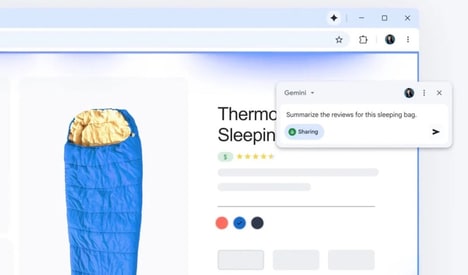
Google’s new AI memory import tools introduce a more seamless way for users to switch between digital assistants without losing personal context. By allowing users to transfer preferences, past conversations and key details from other platforms, Gemini removes the need to restart personalization from scratch. This feature reflects a growing shift toward persistent AI experiences that adapt to individuals over time, regardless of platform.
This approach lowers barriers to entry for new users while increasing competition among AI providers. Brands may begin prioritizing interoperability and data portability to attract users who value continuity and convenience. Additionally, this development could reshape user expectations, positioning AI assistants less as standalone tools and more as long-term digital companions that evolve alongside consumer needs, ultimately influencing retention strategies and platform loyalty.
Image Credit: Google
Key Themes Behind This Trend
- Cross-platform AI Continuity
- Seamless transfer of user memories and preferences across assistants enables persistent personalization across devices and services, reducing friction when switching platforms.
- Data Portability-first Design
- Prioritization of interoperable data formats and exportable personal contexts creates ecosystems in which user control over AI profiles becomes a competitive differentiator.
- Companion-style AI Relationships
- AI assistants are evolving into long-term digital companions that retain historical context, shifting expectations from isolated transactions to ongoing, adaptive interactions.
Where This Applies
- Cloud Services
- Cloud providers could become custodians of encrypted, synchronized AI memories, offering infrastructure for cross-vendor profile continuity and resilience.
- Consumer Electronics
- Device makers may embed memory import and sync features to preserve user context across upgrades and to unify experiences across phones, speakers, and wearables.
- Advertising & Marketing
- Richer, portable historical user contexts have the potential to reshape audience segmentation and enable more temporally coherent messaging strategies.