
Category
Tech
Studio Convergence
Support follows people across devices and daily situations.





What's Happening
Embedded Assistance: Brands are moving digital help out of standalone chat windows and into desktops, phones, and cross-platform services. The model is shifting toward a persistent layer that can be accessed across the day rather than only inside one destination, which is being further supported with wearables like smart glasses and pendants.
Why It's Happening
Consumers are juggling work, shopping, and communication across too many apps, tabs, and devices. People want faster, more capable help without having to learn an entirely new system. Familiar inputs such as chat and voice lower the barrier to trying software that can listen, respond, and act. Tools that can carry context across environments appeal to these customers because they promise less manual switching and coordination. Useful support inside moments and touchpoints already used by consumers comes as an easier sell rather than requiring adoption of a separate tool.
Evidence
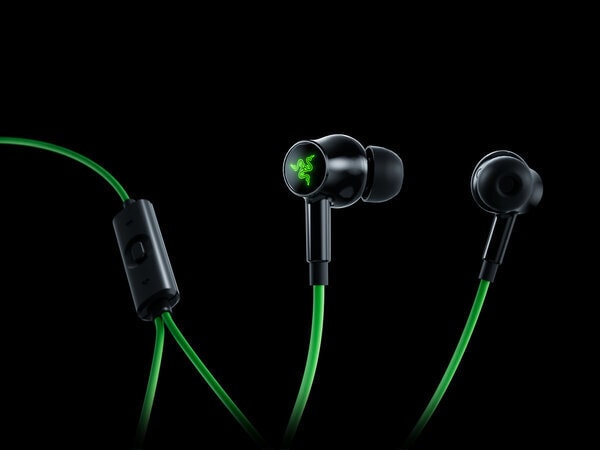
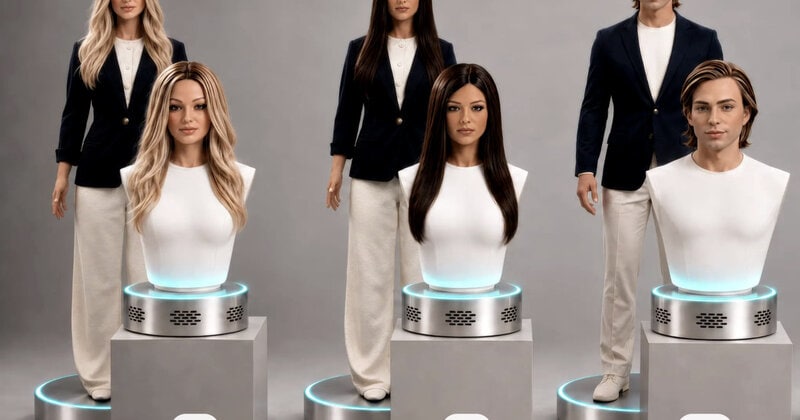
Meta Designs Muse Charm for Real-Time AI Conversations
Compact AI-native gadgets introduce fresh product categories beyond smartphones, with differentiated value centered on immediacy, portability, and dedicated agent access.
Meta's Muse App Gains Early Traction on Mobile
App developers face new competitive pressure as AI features become expected across iOS and Android experiences rather than confined to standalone tools.
Meta's Muse AI Handles Chores, Runs into Amazon Roadblock
Marketplace participation in agent-led checkout can determine whether unified shopping assistants become broad consumer utilities or fragmented convenience tools.
Meta Pairs VR Glasses with the Muse Charm
Wearable AI and VR hardware introduces differentiated product categories where comfort, speed, and conversational access become core competitive features.
Meta Expands Ray-Ban Smart Glasses With New Styles And Longer Battery L
Wearable device makers are blending advanced sensors, AI access, and familiar form factors, expanding opportunities for products that feel less technical and more lifestyle-orient…
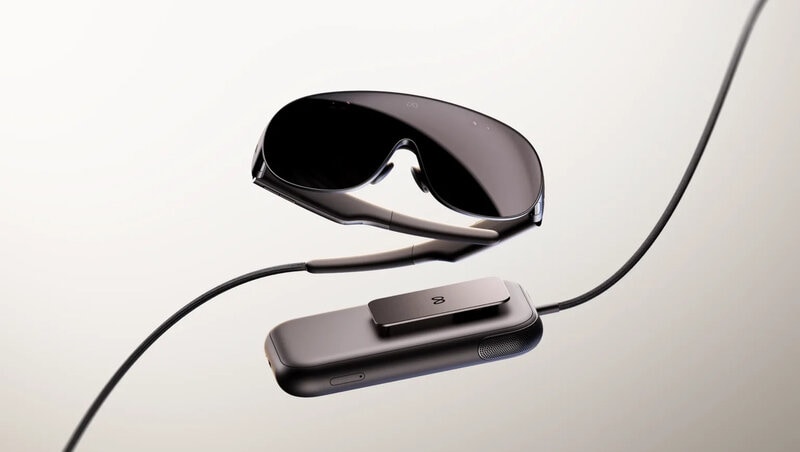
Meta Integrates Its AI Agent Into Immersive Eyewear
Premium AI-enabled eyewear broadens device competition around display quality, comfort and ecosystem integration across connected personal hardware.
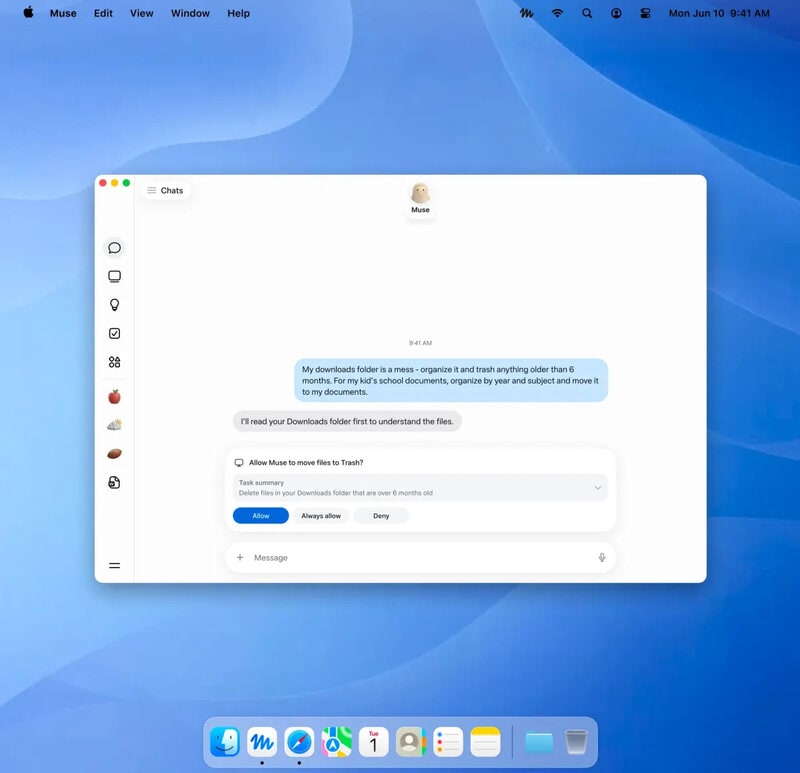
Meta's Muse For Mac Organizes Email, Files, And Calendars
Task-executing AI can reshape productivity platforms by turning email, calendars, notes, and documents into connected automated workflows.
Workshop question
How could your brand deliver useful help inside the moments and devices customers already move through?
Trajectory
Latest reading 9.3 for the week of Nov 9, 2026. Rising over the final 3 scored weeks (+2.1), at its peak of 9.3. Momentum 2.8/10, persistence 0.0/10, backed by 4 research findings.
66 Trend Hunter articles were grouped into the wider weekly cluster this trend was identified in, over 8 weeks.
 High-Proof Single-Barrel RyesJack Daniel's Unveils A 10-Year Coy Hill Rye Bottled At Barrel Stren
 Festive Vintage WhiskiesGlengoyne Releases a 2013 Pedro Ximénez Cask Edition of 9,000 Bottles
 Elegant Holiday-Ready Whisky CampaignsGlenfiddich Boasts 'Tis the Season, Served with Character
 Artist-Edition Whisky BottlesCutty Sark Wraps Its Original Scotch in Rory Kennedy’s Illustration
 Highland Single MaltsTeacher's Turns Its Blend Signature into Standalone Malts
 AI-Powered File Management PlatformsDropbox Acquires Tigris to Build DBX Agent Cloud
 Feedback-Led Retraining SoftwareTrajectory Opens Its AI Post-Training Platform To Businesses
 Merged Chat AppsOpenAI Combines Chat and Work, Retiring ChatGPT Classic
 AI-Integrated Digital TextbooksGoogle Gemini Notebook Adds Free Textbooks and Study Tools
 Agentic Enterprise Software AppsKNEX Lets Finance & HR Teams Run Oracle Workflows with AI Agents
 AI Travel Servicing AssistantsOversee Brings AgentSee to Travel Agencies to Cut Servicing Time
 Enterprise AI Agent PlatformsSAP Opens Joule Studio to Build Agents Across Business Systems
 AI-Powered Business BankingStripe Lets AI Agents Manage Startup Finances
 AI-Powered Financial AuditingVantage FP&A Launches Vann for Automated Financial Reviews
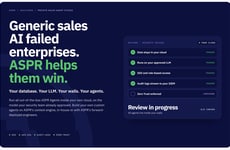 Private AI Sales AgentsASPR AI Adds Private Sales Agent Studio and Notetakers
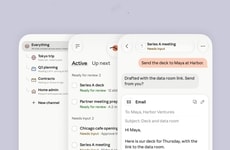 Workplace AI AgentsAnthropic Launches Claude Duet to Track Work for Small Businesses
 Passwordless AI Agent Access1Password Enables Secure AI Logins Without Sharing Credentials
 Edge AI Rugged TabletsDurabook Brings Local AI Processing to Field Operations
 Local AI Creative ComputersASUS Brings Advanced AI Processing to ProArt PCs
 AI-Teammate Memory SoftwareCollectivIQ’s ‘GigaBrain’ Shares Context Across Human-AI Teams
 Deterministic AI Token CompressorsHystax’s ‘OptScale Kompressor’ Cuts AI Coding Agent Costs
 Verifiable AI AgentsTraceLink Introduces Optimized Plans for Supply Chain Automation
 On-Device AI AgentsPerplexity Launches Fully Local Computer for Mac
 Shared AI AppsFulcra Dynamics Turns a Personal Agent Workflow Into a Shared App
 AI Agent Access ControlsThreatLocker Adds a Separate Policy Layer to Keep AI Agents in Bounds
 Outcome-Based AI CoworkersProxyN Offers Digital Employees with Performance-Based Pricing
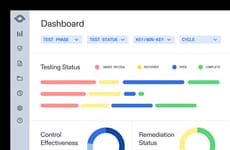 AI Risk Compliance AgentsOptro Cuts Control Testing Time 60% at Reddit with Autonomous Agents
 Autonomous Startup AccountingOracle NetSuite Automates Financial Tasks for Founders
 Natural-Language Finance AgentsAbacum Developed Modeler To Automate Planning & Forecasting
 Long-Running AI AgentsCresta's Deputy Agent Completes Multi-Step Customer Workflows
 Proactive Ambient AI AssistantsMistlabs' Ambi Anticipates Tasks Without User Prompts
 AI-Powered Trade-In Agentsinride Automates Vehicle Valuations and Dealership Appointments
 AI-Powered Finance WorkflowsVersapay Expands Its AI Tools Beyond Cash Application
 Proactive AI ReliabilityGremlin Finds, Fixes and Retests System Risks Before Incidents
 Agentic Media OrchestrationOlyzon Coordinates Ad Buying Across Existing Media Platforms
 Autonomous Sales AgentsSanté Scans Invoices and Reprices Stock for Nearly 1,000 Stores
 AI Benefits Configurationbswift Turns Carrier Documents into Configured Plans, Rates and Rules
 AI Dealership Performance ManagersIgniteUps.ai Directs a Team of AI Agents with NEXUS
 AI-Compatible Insurance ShoppingKin Opens Digital Quotes to AI Shopping Agents
 Agentic Revenue PlatformsGong Automates Workflows from Revenue Signals
 AI-Powered Institutional SummariesNuventive Turns Buried Records Into an Executive Summary
 AI Workflow ConnectorsHighLevel Connects Meta’s Muse AI Assistant To Business Workflows
 AI-Connected Field OperationsTrackVia Connects Operational Data with Enterprise AI Tools
 AI Agent InfrastructureMongoDB Brings Memory, Rules And Runtime Tools Together For Production AI
 Emoji-Like AI AssistantsOpenAI Brings Avatar-Based AI Assistants Into Daily Tasks
 Agentic Team WorkspacesOpenAI's ChatGPT Space Adds Pages for Teams
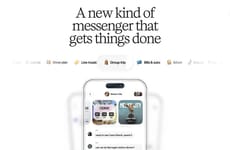 Agentic Messenger AppsWabi 2.0 Turns a Calorie Question Into a Built-In Tracker
 Agentic Marketing PlatformsNas.com Agents Analyze and Execute Approved Campaign Actions
 AI-Powered Salon Booking MatchmakersMy Salon Suite Pairs Clients to Pros via mya
 Cross-App AI AgentsMeta's Muse for Small Business Connects Ad Accounts and Analytics
 Agentic Clinical AssistantsHeidi II Executes Administrative Tasks with Clinician Oversight
 Agentic Contact Center CoworkersBalto's Kodi Investigates Issues and Executes Approved Changes
 Protected AI FeaturesMeta Locks Down Muse and Smart Glasses with Confidential AI
 AI Home Care ReceptionistsAxisCare's Axi Assist Manages Caregiver Communications
 AI Business-Call AssistantsGoogle Tests Gemini's Call for Me on Pixel 11
 AI Conversational Trading AssistantsBybit Debuts Bybit AI Conversational Layer
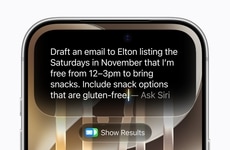 Context-Aware AI AssistantsSiri Uses Personal Context and Onscreen Awareness to Complete Tasks
 Agentic AI LaptopsHP Brings Personal AI Agents to Its Latest OmniBooks
 Autonomous Computer-Use Agent ModelsOpenAI Debuts GPT-6 Astra For Everyday Desktop Software
Research
Agentic Cart
Consumers are tiring of search-heavy shopping journeys and becoming more open to retail experiences that interpret intent and guide the next step.
Agentic commerce matters because it shifts shopping from manually browsing catalogs to delegating parts of discovery, comparison and decision support. The new expectation is not just information, but active assistance.
Agentic Assortment
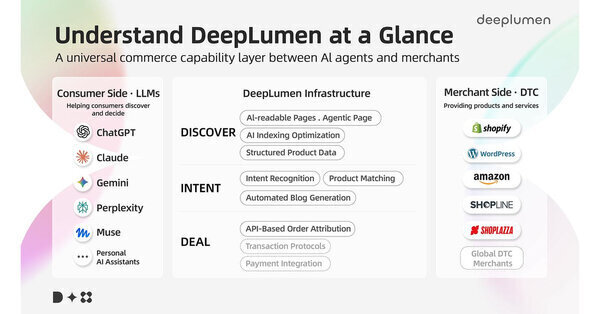
The next fight in retail is not only to be chosen by shoppers, but to be selected by their software.
As agents take on search, comparison, and even basket-building, brands need product data, reviews, and trust signals that work for both humans and machines. This changes merchandising from persuasive display to machine-optimized relevance.
Human Backup
People want relief from effort, not relief from accountability.
The winning model is augmentation because it lets consumers offload tedious steps while keeping empathy, trust, and decision ownership in human hands when stakes feel personal or uncertain.
Bounded Delegation
Consumers do not want to hand over the whole relationship to AI; they want relief from chores.
The winning model is selective delegation, where AI handles narrow, reversible, low-risk tasks and humans remain in control of judgment, money, and emotional reassurance. That is the blueprint for human-AI synergy across retail and services.