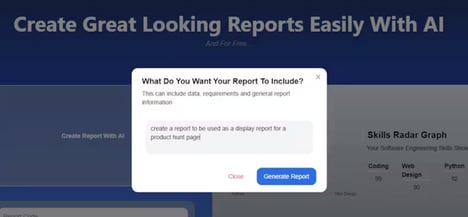
Nuventive's 'Executive Summary' uses artificial intelligence to distill sprawling institutional narratives into a clear readout, helping higher education leaders track major initiatives without sifting through every update. Built into the Nuventive Improvement Platform, it summarizes work already stored there, including efforts related to student success or strategic planning.
Institution-defined prompts let teams pull the details that matter to a specific audience, making the same underlying material easier to use for decisions and stakeholder storytelling. The summaries also update as records change and remain within Nuventive's SOC 2 Type II-compliant Azure environment rather than in a separate public AI tool.
For providers, this makes built-in analysis a stronger expectation for higher education software. Buyers can look for insight layers within systems that already house assessment and planning work, treating security and human judgment as baseline requirements.
Image Credit: Nuventive
What's Driving This Trend
- Embedded AI Summaries
- Enterprise platforms are turning stored operational records into executive-ready narratives, creating room for software vendors to differentiate through native insight layers rather than standalone analytics tools.
- Audience-specific Intelligence
- Custom prompts tailored to institutional roles make shared data more adaptable, revealing opportunities for systems that translate the same source material into stakeholder-specific context.
- Secure Generative Workflows
- Private AI environments with compliance controls are becoming essential for sensitive organizations, positioning trust, governance, and human oversight as core features of generative software.
Who This Affects Most
- Higher Education
- Colleges and universities can benefit from AI that condenses assessment, planning, and student success records into usable leadership intelligence across complex institutions.
- Enterprise Software
- Platform providers are being pushed to embed generative analysis directly inside workflow systems, expanding competition around contextual automation and secure data reuse.
- Data Governance
- Compliance-focused infrastructure gains importance as organizations seek AI-generated summaries without exposing confidential records to public tools or unmanaged external systems.