Category
Tech
Persistent Context
Gaming devices are being tailored to distinct play settings and priorities.
What's Happening
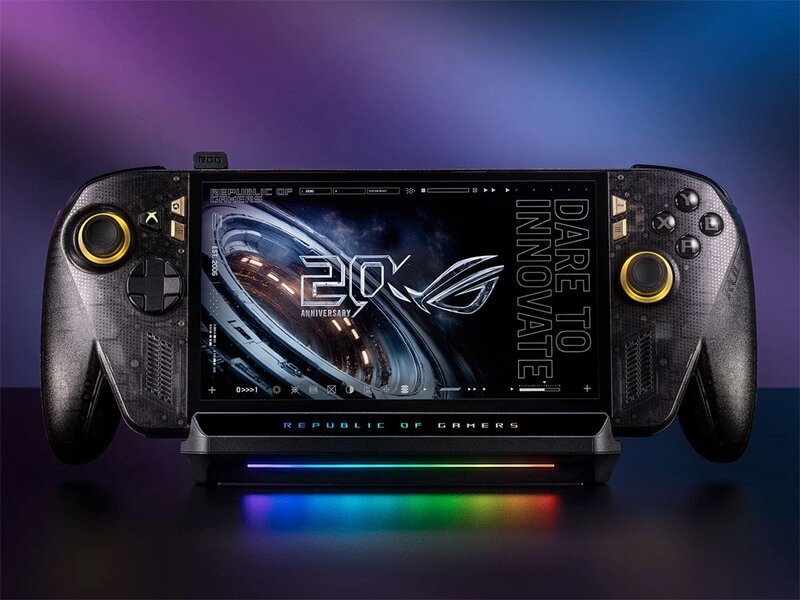
Play Modularity: Portable gaming hardware is branching into more specialized formats instead of converging on one standard device. Brands are pairing handheld play with add-on docks, alternate screen layouts, and selective feature sets to shape different use cases. Some devices are being stripped back, which suggests a market for more focused play that does not depend on constant network access.
Why It's Happening
Consumers increasingly use the same entertainment device across multiple contexts, from commuting to couch play. This is putting pressure on hardware makers to design around specific moments rather than a single generic play pattern. Some buyers may want one system that expands at home, while others may prefer a more self-contained device with fewer dependencies. The takeaway is that portable gaming is becoming a configuration question as much as a hardware one. Brands that clearly match features to a defined play context may stand out more than those that simply add more components.
Evidence
ASUS ROG Introduces the Bulwark Dock DG310
Accessory makers can benefit from demand for modular peripherals that extend the value and lifespan of premium handheld gaming devices.
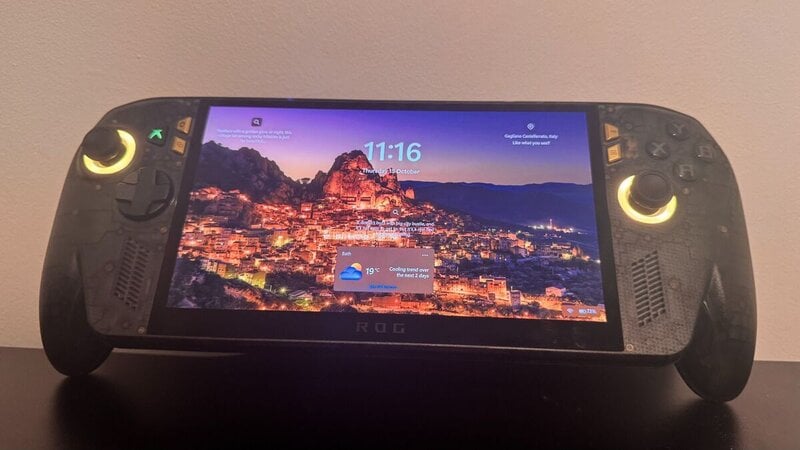
Asus Adds A Brighter OLED Screen To Its Gaming Handheld
Portable console makers can reshape competition through display, cooling and control enhancements that elevate playability in mobile environments.
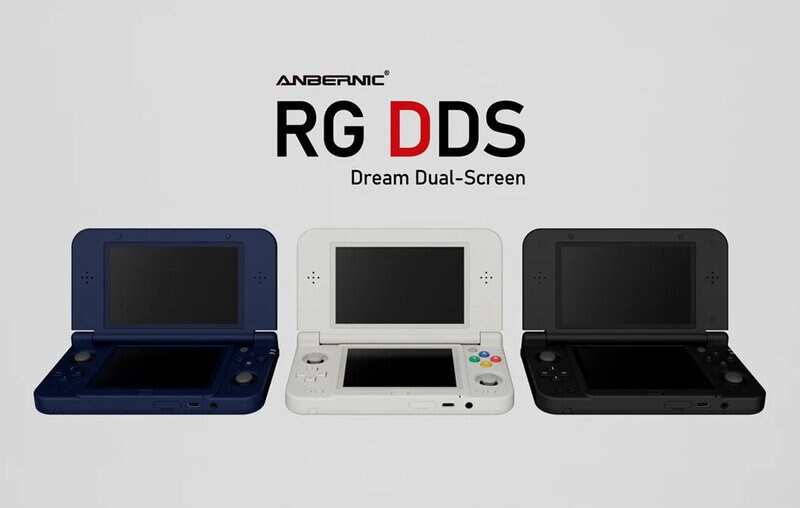
ANBERNIC Introduces Its Foldable RG DDS Console
Specialized handheld devices offer differentiation opportunities as consumers seek dedicated gaming performance beyond smartphones and cloud-only platforms.
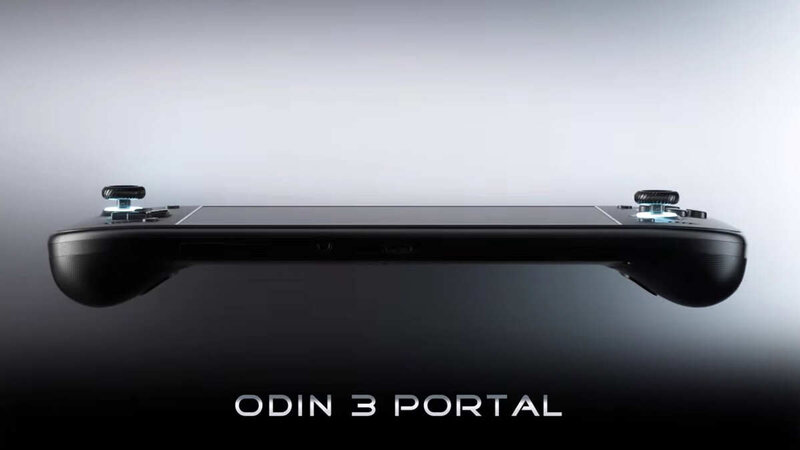
AYN Packs Odin 3 Portal with Q8 and 9,000mAh
Handheld device makers can redefine product value by separating smartphone-grade computing power from full phone functionality.
Workshop question
How could your brand design products that adapt to different usage settings without becoming overly complex?
Trend signals
Trend score 6.7 for the week of Oct 19, 2026. Momentum 3.4/10, persistence 0.0/10.
10 Trend Hunter articles were grouped into the wider weekly cluster this trend was identified in, over 1 week.
 Touchscreen Wireless GamepadsTurtle Beach Adds TMR Sticks and a Larger Screen to Stealth Ultra II
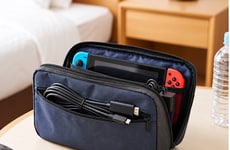 Dockless HDMI CablesHidisc Lets Switch Owners Play on a TV Without Bringing the Dock
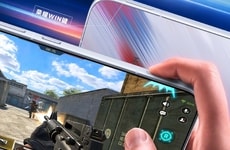 Side-Key Gaming PhonesHonor Adds a WIN Key to Its WIN 2 Phones
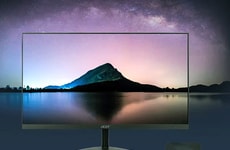 Dual-Ethernet Mini PCsAcer Pairs Swift Go with Ryzen 7 8745H
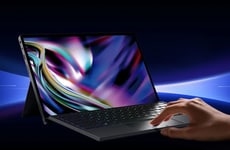 Big-Memory Detachable PCsOneXPlayer Super X Pro Targets High-End Gaming And AI Workloads
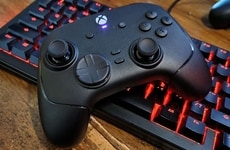 Capacitive Gaming ControllersRazer Adds Contactless Sticks To Xbox Controller