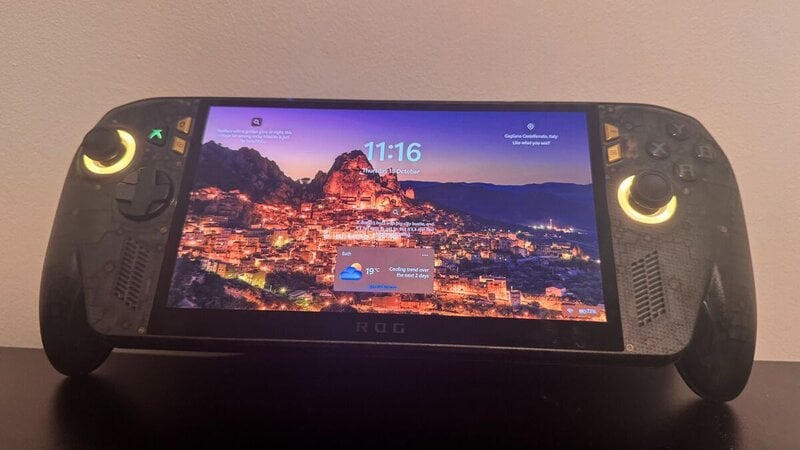
Asus has updated its ROG Xbox Ally X handheld gaming device with a larger OLED screen, improved thumbsticks and a redesigned cooling system. The changes aim to improve how games look and how the controls feel, rather than make games run faster.
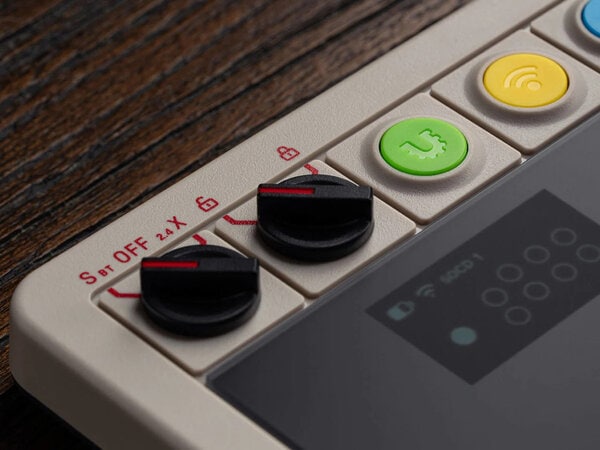
The new screen reaches up to 1,400 nits of brightness, making it easier to see in bright surroundings, and has a 0.2ms response time to help keep fast-moving action clear. Asus has also changed the thumbsticks and adjusted the triggers for a different feel. The processor, memory and storage remain the same as in the standard model.
The updated handheld costs $1,300 in the US and £1,300 in the UK, which is $300 more than the standard Xbox Ally X. The extra cost gets you a better screen and updated controls, but not a boost in processing power.
Image Credit: Future
What Makes This Trend Stand Out
- Premium Display Upgrades
- Brighter OLED panels and faster response times are redefining portable gaming value around visual clarity rather than raw processing power.
- Ergonomic Control Refinement
- Improved thumbsticks, triggers and tactile interfaces create differentiation opportunities in handheld devices where comfort and precision influence perceived performance.
- Experience-led Hardware Pricing
- Higher-priced device variants centered on screen quality and feel signal a shift toward monetizing sensory improvements without major chipset changes.
Sectors Adopting This
- Handheld Gaming
- Portable console makers can reshape competition through display, cooling and control enhancements that elevate playability in mobile environments.
- Consumer Electronics
- Device brands are finding new premium tiers by upgrading experiential components while maintaining core internal specifications.
- Display Technology
- Advanced OLED suppliers stand to benefit as brightness, latency and outdoor visibility become critical factors in compact entertainment hardware.