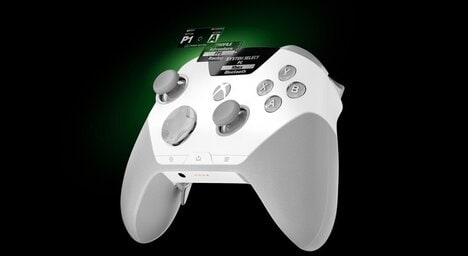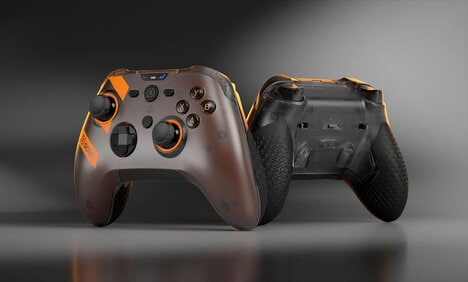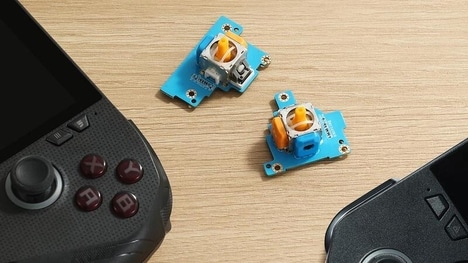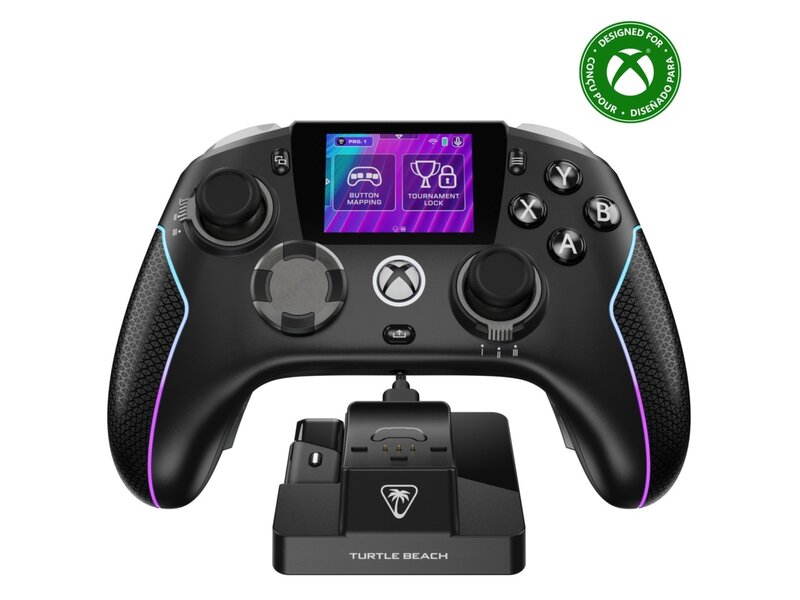
Turtle Beach is updating its Stealth Ultra controller with the 'Stealth Ultra II,' adding TMR, a joystick-sensing technology aimed at longer life and steadier input, plus a larger 'Connected Command' touchscreen for in-play adjustments. Built for Xbox, PC, and mobile, it also adds sliders around each stick so players can switch between three virtual gate profiles without opening a separate app.
A wired PC connection reaches 8K polling, which reports inputs more often, and the screen can adjust dead zones or remap buttons mid-session. Preorders are open through Turtle Beach's store for $200, with shipping set for November 12 and a charging dock and carry case included.
At $200, the Stealth Ultra II pushes premium controller buyers to expect hardware tuning on the pad itself, not just in companion software. Its Xbox, PC, and mobile support also makes it easier to justify one device across multiple gaming setups.
Image Credit: Turtle Beach
What's Driving This Trend
- On-device Controller Tuning
- Premium gamepads with built-in screens and physical sliders signal a shift toward real-time personalization without companion apps, creating space for interface-led hardware differentiation.
- Drift-resistant Input Systems
- TMR joystick sensing reflects growing demand for longer-lasting precision components as durability becomes a core value driver in high-performance gaming accessories.
- Cross-platform Premium Peripherals
- Multi-device compatibility across console, PC, and mobile strengthens the case for unified gaming hardware that supports fragmented play habits with fewer dedicated accessories.
Who This Affects Most
- Gaming Hardware
- Controller makers are competing through embedded customization, advanced sensors, and bundled accessories that elevate peripherals into premium performance ecosystems.
- Consumer Electronics
- Touchscreen-enabled accessories illustrate how secondary displays and adaptive controls can expand product utility beyond traditional single-function device design.
- Esports Equipment
- Low-latency wired connections and adjustable input profiles support competitive gaming environments where precision, responsiveness, and player-specific calibration influence purchasing decisions.