
Category
Tech
Play Modularity
Business systems keep digital helpers active across ongoing work.





What's Happening
Persistent Context: Enterprise tools are shifting from one-off prompts to software that stays active inside day-to-day business processes. Instead of waiting for a user to ask, these systems watch for events and prepare next steps. Companies are applying this model to specific operational areas such as sales, retail operations, and finance.
Why It's Happening
Organizations are under pressure to keep service levels up while controlling labor-intensive administrative work. Background software support becomes appealing when routine coordination starts to consume frontline time, and digital tools that prioritize speed and continuity transition from optional to essential . The takeaway for brands is to use software to carry context between moments of work, while reserving human involvement for approvals, exceptions, and relationship-sensitive decisions.
Evidence
DeepLumen Charges Shopify Merchants Only When AI Orders Come Through
Shopify-style ecosystems can expand through plug-in AI referral layers that add commerce pathways while preserving merchants' existing storefront operations.
Target's myDay App Prioritizes Daily Store Operations
AI-powered workflow platforms are expanding the role of store software from basic task tracking to automated operational orchestration.
Mistlabs' Ambi Anticipates Tasks Without User Prompts
Workplace platforms can be reshaped by embedded assistants that prepare materials, surface insights, and reduce coordination friction during meetings and projects.
Cresta's Deputy Agent Completes Multi-Step Customer Workflows
Long-running AI agents could reshape support centers by shifting employees away from repetitive case administration toward higher-value customer judgment and exception handling.
Santé Scans Invoices and Reprices Stock for Nearly 1,000 Stores
Liquor stores gain new pathways to compete with larger chains as AI-driven pricing, promotions, and inventory tools address uneven stock, compliance complexity, and local demand s…
Versapay Expands Its AI Tools Beyond Cash Application
ERP and finance platforms are positioned to differentiate through embedded AI assistants that unify data, decisions, and workflow execution.
Workshop question
How could your brand decide which decisions software can handle quietly and which should stay human-led?
Trajectory
Latest reading 6.8 for the week of Oct 12, 2026. Holding over the final 3 scored weeks (±0.0), at its peak of 6.8. Momentum 3.6/10, persistence 2.5/10, backed by 4 research findings.
17 Trend Hunter articles were grouped into the wider weekly cluster this trend was identified in, over 2 weeks.
 AI-Powered Holiday StylingNordstrom Introduces Personalized Outfit Recommendations
 Agentic Workforce PlatformsTalentNeuron Automates Complex Workforce Research with Synapse
 AI-Powered Trade-In Agentsinride Automates Vehicle Valuations and Dealership Appointments
 AI Returns SystemsSereact Brings AI-Powered Robots To Zalando’s Returns Centres
 AI-Generated Training MaterialsCCL's My Studio Creates Leadership Programs from Written Prompts
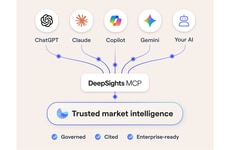 Cited Research AI ConnectorsMarket Logic Links AI Questions to Cited Evidence with DeepSights MCP
 AI Benefits Configurationbswift Turns Carrier Documents into Configured Plans, Rates and Rules
 Enterprise AI Starter KitsPrecisely Provides Prebuilt Apps, Agents and Skills for AI Development
 Approved Compliance Workflow ToolsWherefour Adds AI Tools for Manufacturing Teams
 AI-Powered CPQ SoftwareConfigure One Links Product Models to Priced Quotes with AI
 Reliability-Focused AI ModelsTypesafe AI Introduces System One Models for More Dependable Outputs
Research
Agentic Cart
Consumers are tiring of search-heavy shopping journeys and becoming more open to retail experiences that interpret intent and guide the next step.
Agentic commerce matters because it shifts shopping from manually browsing catalogs to delegating parts of discovery, comparison and decision support. The new expectation is not just information, but active assistance.
Agentic Checkout
Consumers and retailers are both moving past AI that merely suggests products toward AI that completes tasks.
This matters because the next battle is not about chatbot novelty; it is about whether brands can compress shopping friction without making people feel they have surrendered control.
Utility AI
Consumers are not looking for AI theater; they want cognitive relief.
The strongest trust is forming around narrow, useful tasks that shorten decision time and reduce research overload, showing that AI acceptance rises when it behaves like a tool rather than an intrusive personality.
Human Loop AI
People want relief from complexity, not the feeling that control has been taken away.
Assistive AI works because it preserves agency: consumers can benefit from speed, personalization and automation while still feeling a human is answerable for the outcome. Brands that keep the user or employee visibly in charge reduce psychological resistance.