Wherefour is adding AI features that let manufacturers pull answers from their own data without giving software free rein. The ERP platform now pairs a read-only connector with human review, so teams can query records and approve compliance work before it goes live.
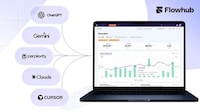
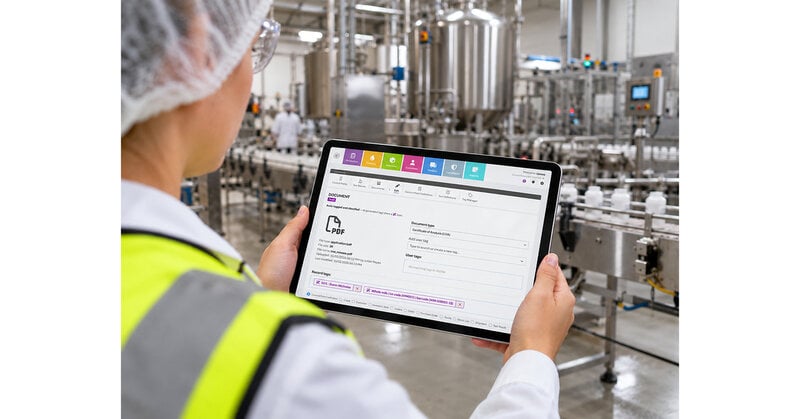
The connector uses the Model Context Protocol, or MCP, to link tools like Claude and ChatGPT to customer accounts. Wherefour also adds document auto-tagging, which can read items such as a certificate of analysis and suggest labels for faster filing and tracing.
For manufacturers, this means AI can speed up data lookup and drafting while people keep control over what enters the system. It also sets a more cautious standard for ERP software, where trust matters as much as speed.
Image Credit: Wherefour
What Makes This Trend Stand Out
- Human-approved AI Workflows
- Compliance-heavy teams gain value from AI systems that draft, retrieve, and classify information while preserving human oversight before operational records are changed.
- Read-only Data Connectors
- Secure access layers create room for enterprise AI adoption by letting models answer questions from internal systems without exposing edit permissions or uncontrolled automation.
- Automated Document Tagging
- AI-assisted labeling of certificates, forms, and production records improves traceability by turning unstructured compliance documents into searchable operational data.
Sectors Adopting This
- Manufacturing Software
- ERP providers can differentiate through governed AI features that balance faster decision support with the auditability manufacturers require.
- Regulatory Compliance
- Quality and compliance functions benefit from AI tools that reduce manual filing and review burdens while maintaining controlled approval paths.
- Enterprise AI Security
- Demand is rising for architectures that connect generative AI to business data through permissioned, monitored, and low-risk access models.