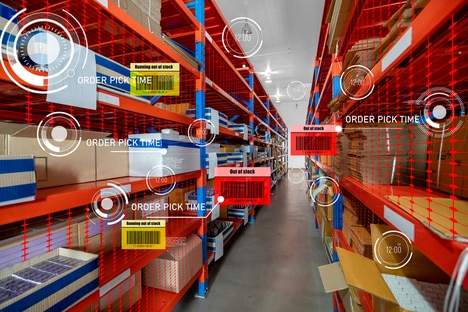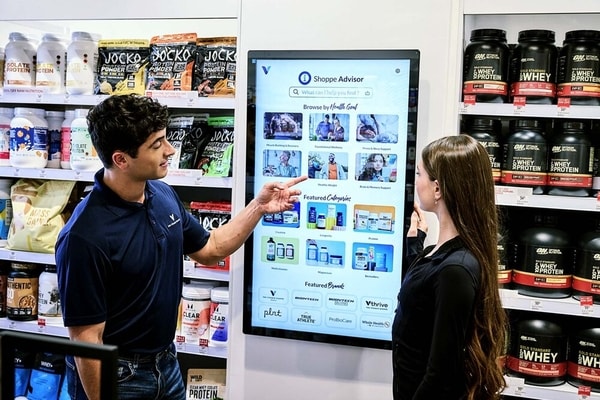
Acumatica released the 2026 R1, an interim update to its cloud ERP designed for manufacturers and retailers, featuring an AI Studio that lets customers build and deploy AI-powered workflows and a preview of the forthcoming Acumatica AI Assistant. The release targeted supply chain volatility by embedding tools that surface real-time operational data for ordering and profitability control.
The update expanded Manufacturing Management with a revamped Shop Floor Kiosk for live production data capture and second-level tracking to tighten cost accounting, plus in-transit inventory visibility to reduce duplicate transfers. Distribution Management gained real-time picking adjustments, put-away recommendations and automated shipping paperwork, while retail users got Native BigCommerce B2B integration and improved marketplace tax automation and Amazon profitability dashboards.
For businesses, 2026 R1 promises faster, data-driven execution: workers spend less time on manual entry, planners see clearer inventory in transit, and finance teams get tighter margin visibility. Those shifts reflect a broader trend toward AI-enabled ERP tooling that turns operational data into actionable, real-time supply chain decisions.
Image Credit: Acumatica
What's Driving This Trend
- AI-enabled ERP Workflows
- Embedding low-code AI studios into ERP systems enables rapid creation of context-aware automation that reshapes decision latency across operations.
- Real-time Shop Floor Visibility
- Live production kiosks and second-level tracking create continuous cost and performance telemetry that can upend traditional batch reporting and labor models.
- Autonomous Inventory Reconciliation
- In-transit visibility combined with automated picking and put-away recommendations supports near-real-time inventory harmonization that reduces redundant transfers and write-offs.
Who This Affects Most
- Manufacturing
- Tighter production data capture and AI-driven cost accounting open possibilities for new service models centered on performance-as-a-service and margin-optimized production planning.
- Distribution and Logistics
- Real-time routing, automated paperwork and dynamic picking adjustments enable logistics operations to transition from static scheduling to adaptive, efficiency-first fulfillment networks.
- Retail and Ecommerce
- Native marketplace integrations and profitability dashboards present opportunities for platforms that deliver automated channel optimization and margin-aware assortment management.