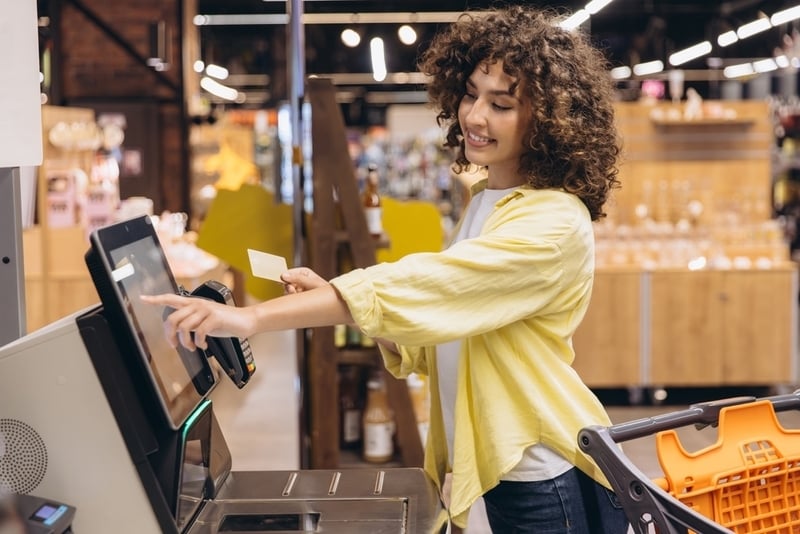
A new wave of AI-enhanced technology is reshaping how retailers think about self checkout lines, major chains are reassessing outdated kiosks and exploring computer vision, smarter scanners, and new staffing models to make self-service more reliable.
Emerging systems use AI-powered cameras and sensors to automatically recognize items and verify transactions with greater accuracy, similar to the technology in grab-and-go formats. At the same time, retailers are being urged to migrate from legacy bar codes to 2D labels that carry richer product data, from pricing to expiration dates; these hardware and labeling upgrades are paired with a concierge-style staffing model, where associates oversee multiple kiosks, assist shoppers in real time, and help curb theft.
Younger shoppers already favor self-checkout for its perceived speed, making it a critical touchpoint for retention and loyalty. For retailers, modernized kiosks offer a path to higher throughput and better loss prevention while keeping stores competitive with e-commerce.
Image Credit: Shutterstock / Anatoliy Cherkas
Why This Trend Is Growing
- AI-powered Self-checkout Systems
- Retailers integrating AI vision technology into self-checkout kiosks are redefining the speed and accuracy of in-store transactions.
- 2D Labeling Transition
- The shift from traditional barcodes to 2D labels offers enhanced product information and streamlines cashierless checkout processes.
- Concierge-style Retail Staffing
- Adopting a concierge staffing model for overseeing multiple kiosks provides real-time assistance and minimizes shrinkage risk.
Industries Being Reshaped
- Retail Technology
- Retailers adopting AI-enabled checkout systems are at the forefront of technological transformation in the shopping experience.
- Packaging and Labeling
- With the rise of new labeling standards, the packaging industry must adapt to create innovative labels that accommodate richer data.
- Retail Operations
- Evolving staffing frameworks in self-checkout areas improve customer service levels and operational efficiency in retail environments.