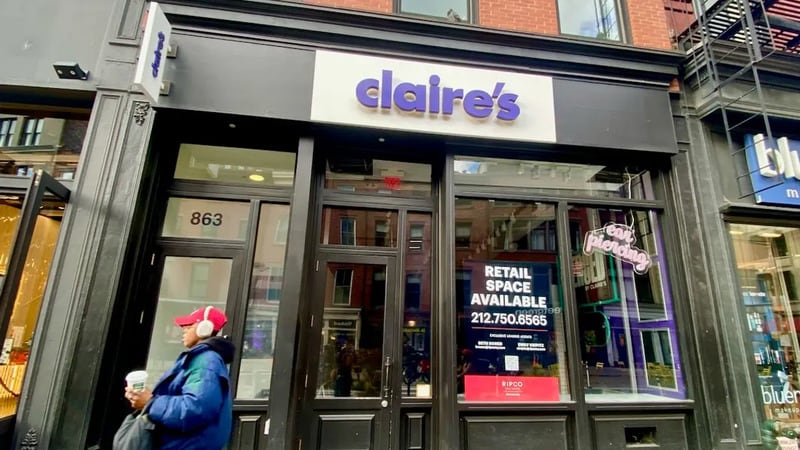
Claire’s has outlined a multi-year technology refresh aimed at upgrading its retail operations and in-store experience. Led by executive director of enterprise architecture Malcolm Lamboy, the accessories retailer is preparing a 2026 rollout of new systems that replace aging tech. The core focus is on tightening data connections across the business and rolling out a contemporary point-of-sale (POS) platform to support smoother shopping journeys.
The roadmap includes modernizing Claire’s data architecture and accelerating store technology refreshes, from back-end infrastructure to front-of-house tools. Lamboy noted that the team has already cut Microsoft Azure cloud costs by nearly half year over year by refining governance, automation, and workload sizing. The company also streamlined Microsoft 365 licensing, creating budget room for upcoming investments in integrations and POS upgrades.
For consumers, the shift signals faster, more reliable checkout experiences and better-connected services across channels. For the brand, a cleaner tech stack supports cost control while positioning stores for data-driven merchandising and omnichannel features. This move reflects a broader retail trend: legacy specialty chains are treating technology not just as support, but as a strategic engine for efficiency and experience gains.
Image Credit: Daphne Howland, Retail Dive
What's Driving This Trend
- Data-driven Retail Transformation
- Retailers are using data integration and advanced analytics to enhance customer experiences and operational efficiency, which shifts the industry from simple transaction management to proactive engagement.
- Omnichannel Experience Enhancement
- A seamless shopping experience across physical and digital channels is becoming a priority, enabling retailers to better serve modern consumer expectations by integrating their technology platforms.
- Cost Efficiency Through Cloud Optimization
- Significant reductions in operating costs are achieved by optimizing cloud services and streamlining software licensing, providing a strategic advantage while freeing up resources for further tech investments.
Who This Affects Most
- Retail Technology
- Companies are at the forefront of adopting innovative point-of-sale and data integration solutions to sustain competitiveness in a rapidly evolving market landscape.
- Cloud Computing
- Optimizing cloud operations offers enterprises in various sectors a pathway to achieve significant cost reduction and improved resource allocation, facilitating further technological advancements.
- Enterprise Software
- The demand for sophisticated enterprise solutions that support streamlined governance and automation is on the rise, driven by a need for enhanced efficiency and connectivity across business processes.