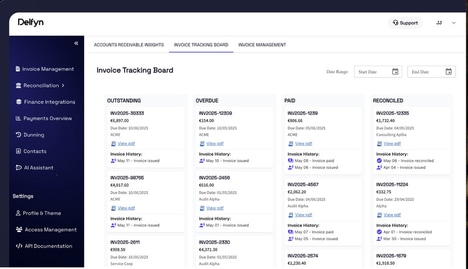
Versapay is widening Versapay Intelligence beyond cash application, letting finance teams use one AI layer across invoicing, collections, payments, and ERP, or enterprise resource planning, links. Its 4-step model moves from guidance to hands-on execution, so teams can keep final approval or set the limits for automated actions.
Live features include an assistant that surfaces which invoices need attention and sentiment scoring that spots risky customer conversations. Versapay is also testing augmented Cash Application that reads remittance details from PDFs and scanned images, then matches them to open invoices automatically.
Inside Microsoft Dynamics and NetSuite, the added layer keeps invoice and payment work in the software many AR teams already use, which can trim manual switching between systems. The new collections module pairs risk-based grouping with prioritized task lists, giving collectors a clearer daily queue without replacing the core AR setup existing Versapay customers already run.
Image Credit: Versapay
Key Themes Behind This Trend
- Autonomous Accounts Receivable
- Finance teams are moving toward AI-managed invoicing, collections, and payment workflows that reduce manual prioritization while preserving human approval controls.
- Embedded Finance Intelligence
- AI layers built directly into ERP environments create opportunities for software providers to streamline financial operations without forcing teams into new systems.
- Risk-based Collections
- Customer sentiment analysis and invoice risk scoring are reshaping collections by turning fragmented conversations and payment data into prioritized action queues.
Where This Applies
- Enterprise Software
- ERP and finance platforms are positioned to differentiate through embedded AI assistants that unify data, decisions, and workflow execution.
- Financial Technology
- Payment and receivables providers can expand beyond transaction processing by offering intelligent automation across the full cash flow cycle.
- Business Process Automation
- Workflow automation vendors are finding new value in AI systems that interpret documents, classify risk, and coordinate approval-based execution.