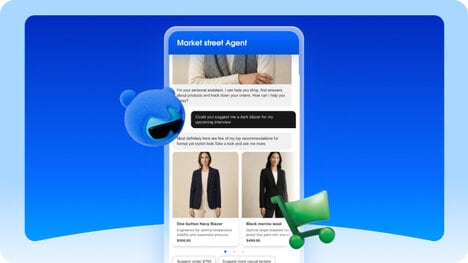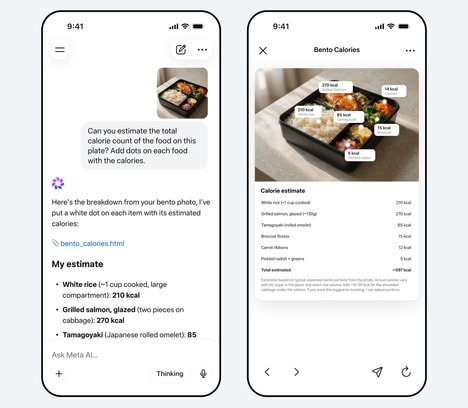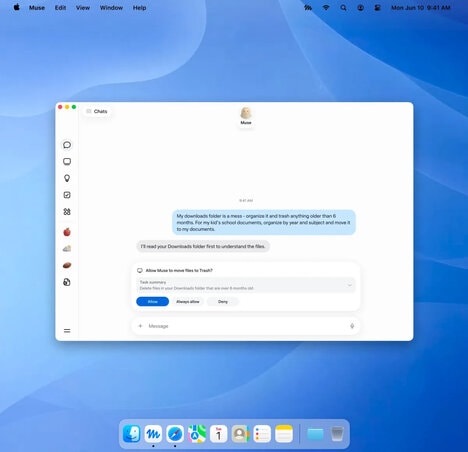

Meta's 'Muse AI' is a personal agent built to handle digital chores through chat, with the ability to manage tasks that usually bounce users between apps and websites. The app folds planning and purchasing into one interface instead of acting like a simple question-and-answer bot.
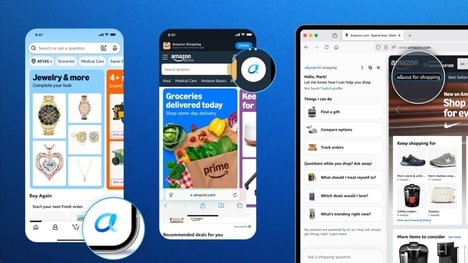
One of its clearest moves is helping with trip booking, which nudges AI closer to a real assistant than a text box. Amazon's decision to block purchases on its marketplace also exposes the weak spot in that setup, because the service depends on retailers letting an outside agent into checkout.
For shoppers, this means the promise of one place for routine online tasks will come with gaps from store to store. Muse ties convenience to retailer permission and to how comfortable people feel sharing sensitive purchase data with Meta.
Image Credit: Brendan McDermid / Reuters
Why This Trend Is Growing
- Conversational Commerce Agents
- Chat interfaces that bundle product discovery, planning, and purchasing create openings for platforms that reduce app-switching while reshaping how consumers delegate routine shopping tasks.
- Permission-based Checkout Access
- Retailer control over third-party agent transactions highlights a growing gatekeeping layer where marketplaces can define the pace and scope of AI-enabled commerce.
- Personal Data Delegation
- Consumer willingness to share payment, preference, and itinerary data with AI assistants introduces new trust models for automated services that manage sensitive digital chores.
Industries Being Reshaped
- E-commerce
- Marketplace participation in agent-led checkout can determine whether unified shopping assistants become broad consumer utilities or fragmented convenience tools.
- Travel Technology
- Trip planning and booking functions provide a strong use case for AI assistants that coordinate complex decisions across flights, hotels, activities, and payments.
- Digital Payments
- Secure authorization, identity verification, and transaction controls become increasingly important as chat-based agents move closer to completing purchases on behalf of users.