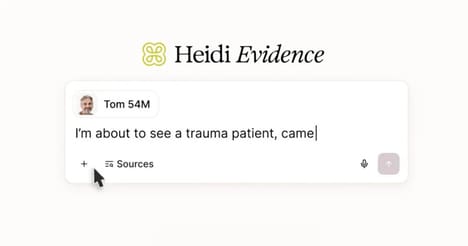

Heidi is moving clinical AI beyond documentation with Heidi II, an agentic platform designed to complete administrative work surrounding patient visits. Its agents can interpret plain-language requests, plan tasks, and execute workflows such as pre-charting patients, preparing referrals, arranging follow-ups, and identifying patients due for screenings or tests. Agents can also operate across existing records, calendars, inboxes, and portals, while clinicians retain approval controls for tasks requiring clinical judgment.
The platform could help healthcare organizations reduce time spent moving between systems and completing repetitive administrative work. By turning frequently repeated tasks into scheduled Routines, practices can automate workflows across entire patient lists rather than handling cases individually. For Heidi, expanding from clinical documentation into task execution creates a broader role within healthcare operations and deepens its integration with existing systems, potentially increasing platform adoption among practices seeking to consolidate administrative tools and expand clinical capacity.
Image Credit: Heidi
Key Themes Behind This Trend
- Agentic Care Workflows
- Clinical AI is shifting from passive note generation to supervised task execution, creating room for platforms that coordinate administrative work across fragmented healthcare systems.
- Routine-based Automation
- Repeated clinical operations are becoming programmable at the patient-list level, opening space for scalable tools that reduce manual case-by-case coordination.
- Oversight-centered AI
- Human approval models are emerging as a practical bridge between automation and clinical accountability, enabling AI systems to handle sensitive workflows without removing clinician control.
Where This Applies
- Healthcare Technology
- AI-native operating layers are redefining how practices manage documentation, scheduling, referrals, and follow-ups within existing digital infrastructure.
- Practice Management Software
- Administrative platforms face disruption as agentic assistants consolidate workflows that were previously spread across calendars, inboxes, portals, and records systems.
- Digital Health Services
- Service providers can differentiate through automation that expands clinical capacity while supporting compliance, continuity, and patient engagement.