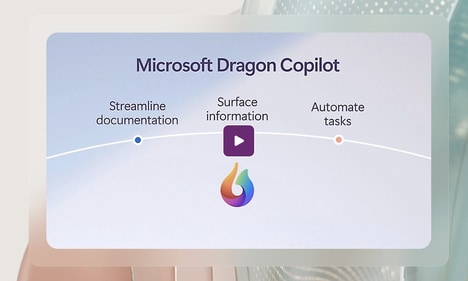

MobiHealthNews reported on a new wave of HIMSS26 AI assistants showcased that automate administrative tasks for clinicians, featuring natural-language note generation and workflow triage designed to reduce documentation time.
These vendor tools were presented as integrated EHR extensions and standalone copilots with capabilities such as summarizing patient encounters, drafting referral letters, and organizing inbox items. Several demonstrations emphasized usability, real-time on-device processing for privacy, and integrations with common electronic health record systems to avoid duplicate data entry.
For clinicians, these assistants freed appointment minutes for direct patient interaction and follow-up, improving satisfaction and perceived empathy by shifting clerical burden away from care delivery. The rollout signals a broader trend toward task-focused clinical AI that augments time spent on bedside care.
Image Credit: Black_Kira / Shutterstock
Why This Trend Is Growing
- On-device Clinical AI
- Local, real-time processing of clinical AI models opens opportunities for privacy-preserving assistants that reduce latency and reliance on cloud infrastructure.
- Ehr-integrated Copilots
- Seamless extensions and plugins for electronic health records create potential for copilots that synchronize documentation and workflows without duplicate data entry.
- Automated Clinical Documentation
- Natural-language note generation and encounter summarization suggest possibilities for tools that substantially shrink clinician documentation time and reallocate patient-facing minutes.
Industries Being Reshaped
- Electronic Health Record Vendors
- Integrated AI features present a chance for EHR providers to differentiate by embedding documentation assistants and workflow triage directly into their platforms.
- Clinical Workflow Software
- Inbox organization and referral drafting capabilities indicate room for workflow platforms to offer task-focused automation that boosts clinician throughput and satisfaction.
- Health Privacy and Security
- Emphasis on on-device processing and data minimization highlights opportunities for privacy-focused security firms to deliver compliant AI tooling and verification services.