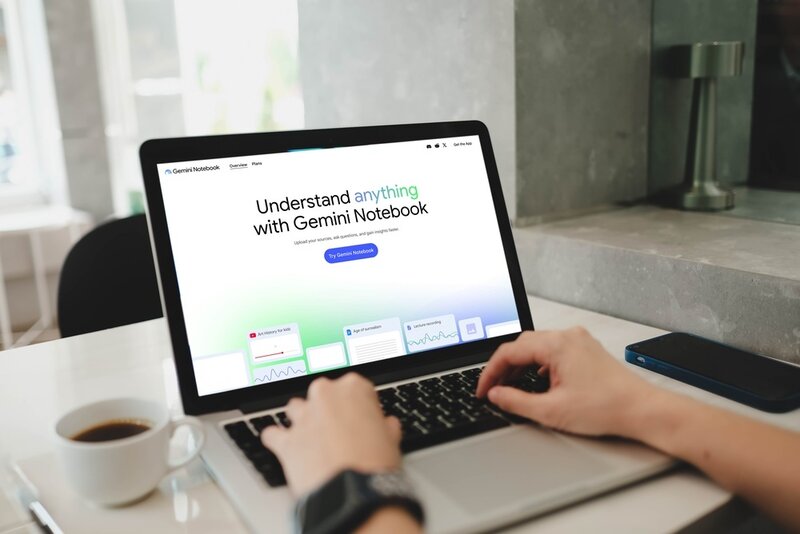
Google is expanding AI-integrated digital textbooks through Gemini Notebook, giving students free access to hundreds of educational resources alongside personalized study tools. The update allows learners to interact directly with course materials, receiving AI-generated explanations supported by citations and links to the original textbooks rather than relying on general responses.
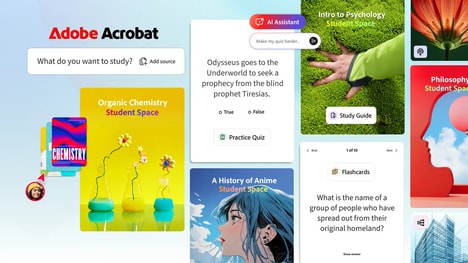
The expanded library includes textbooks from OpenStax, Open Textbook Library, and S Chand Publishing, covering resources from providers in the United States and India. Students can add these materials through the platform's source selection feature and transform textbook content into customized study guides, practice quizzes, and flashcards to support different learning needs.
For Google, the expansion strengthens Gemini Notebook's educational capabilities while making academic resources more accessible. Integrating textbook-based assistance with interactive study materials also creates opportunities to increase student engagement and encourage continued use of the platform throughout their coursework.
Image Credit: Thaspol Sangsee / Shutterstock.com
Key Themes Behind This Trend
- AI-powered Study Companions
- Personalized textbook explanations, quizzes, and flashcards create room for adaptive learning platforms that align support with each student's coursework and pace.
- Open Educational Resource Integration
- Free textbook libraries embedded inside AI tools signal a shift toward lower-cost academic ecosystems with scalable content access across global markets.
- Citation-backed AI Learning
- Grounding AI responses in verified textbook sources introduces new potential for trusted educational assistants that reduce misinformation in student research and study workflows.
Where This Applies
- Education Technology
- AI-enhanced textbooks expand the market for interactive learning software that combines content access, tutoring, assessment, and study planning in one platform.
- Digital Publishing
- Textbook publishers face emerging opportunities around licensing structured educational content for AI-driven discovery, summarization, and personalized study experiences.
- Higher Education
- Colleges and universities can benefit from AI-integrated resource models that improve affordability while supporting more engaging and self-directed academic learning.