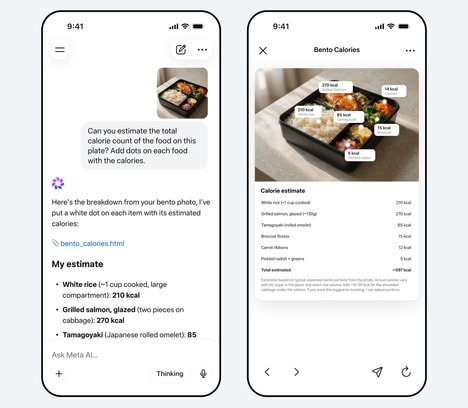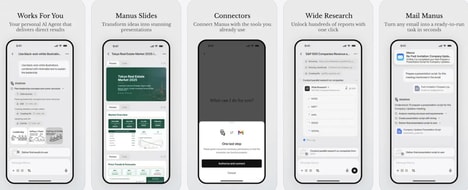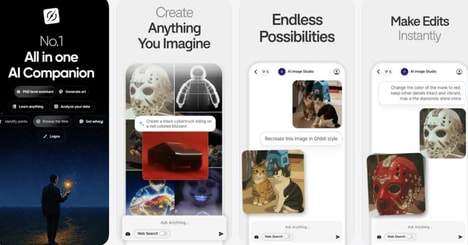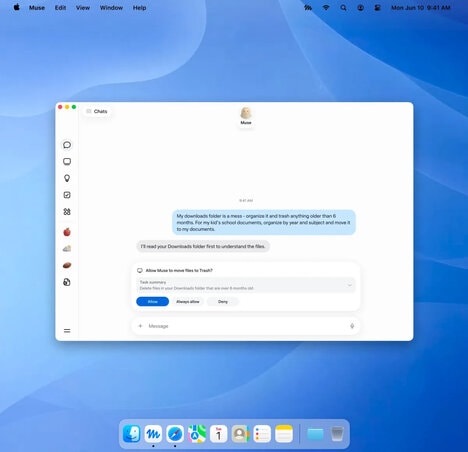
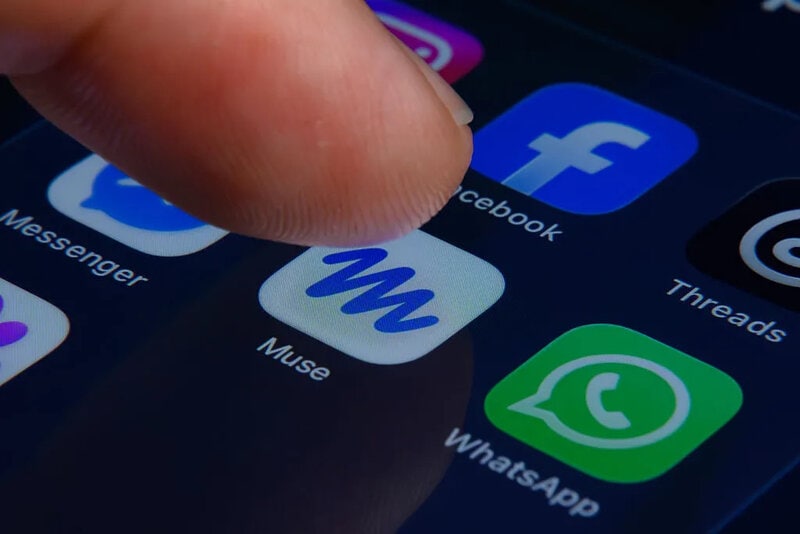
Meta’s Muse is an AI app built to work across mobile platforms, with availability on Apple’s App Store and Google Play in the U.S. and Canada. The app also connects with Meta’s other services, giving it a built-in path to reach people already inside the company’s ecosystem.
That mix matters because mobile AI tools now compete on distribution as much as on features. A launch that spans both major app stores while tying into Facebook, Instagram and WhatsApp can make it easier for people to try an assistant without hunting for a separate destination.
For consumers, this means AI apps may feel more embedded in the places they already spend time. It also raises the bar for rivals, since the fastest-growing assistants may be the ones that arrive with a ready-made audience instead of starting from zero.
Image Credit: NurPhoto / Contributor / Getty Images
Key Themes Behind This Trend
- Cross-platform AI Assistants
- Mobile AI tools that launch across major operating systems can reduce adoption friction and create broader entry points for everyday assistant use.
- Ecosystem-embedded AI
- AI apps connected to existing social, messaging and content platforms can turn established user networks into powerful distribution channels.
- App Store AI Expansion
- Consumer assistants gaining visibility in mainstream app marketplaces signal a shift toward AI discovery through familiar mobile behaviors.
Where This Applies
- Mobile Applications
- App developers face new competitive pressure as AI features become expected across iOS and Android experiences rather than confined to standalone tools.
- Social Media Platforms
- Large social ecosystems can reshape AI adoption by placing assistants inside the digital environments where users already communicate and consume content.
- Consumer Technology
- Device-agnostic AI services are changing how consumers access intelligent tools, creating opportunities around seamless continuity across apps, platforms and accounts.