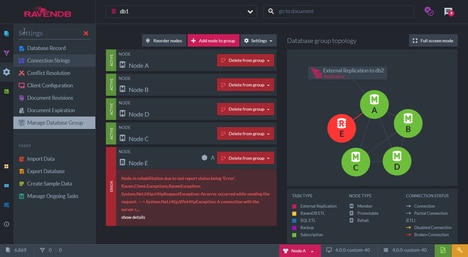

MongoDB is bringing AI agents closer to production with Atlas Agent Engine, software that combines runtime functions, saved memory, and rules in one place. Developers can keep context between tasks, retrieve data more cleanly, and track each action to a named identity.
The memory piece sits in the database layer and links MongoDB queries with Voyage AI embeddings and reranking, helping agents recall useful context on repeat jobs while using fewer tokens. Support for Model Context Protocol, a way for AI systems to share context, also makes model or framework swaps less painful.
For brands, that lowers the amount of custom plumbing needed to turn an agent demo into something a software team can actually ship. It also nudges enterprise buyers toward stacks that keep memory, access control, and auditability together instead of spread across separate consoles.
Image Credit: MongoDB
What's Driving This Trend
- Persistent Agent Memory
- Database-layer memory gives AI agents durable context across tasks, creating room for more reliable enterprise automation with lower token costs.
- Governed AI Runtime
- Centralized rules, identity tracking, and audit trails make production agents more manageable for regulated teams and complex workflows.
- Interoperable Context Protocols
- Shared context standards reduce dependency on specific models or frameworks, opening paths for more flexible AI infrastructure ecosystems.
Who This Affects Most
- Enterprise Software
- Software platforms can differentiate by embedding agent memory, permissions, and observability into core workflow systems.
- Database Management
- Data infrastructure providers are positioned to become orchestration layers for AI agents by combining storage, retrieval, and governance.
- Cloud Computing
- Cloud service ecosystems gain new value from managed agent runtimes that simplify deployment, monitoring, and model switching at scale.