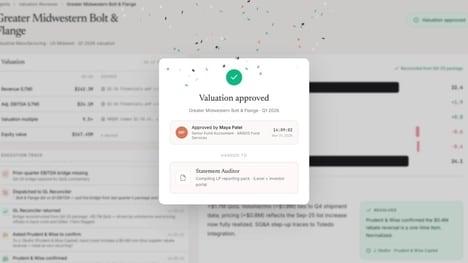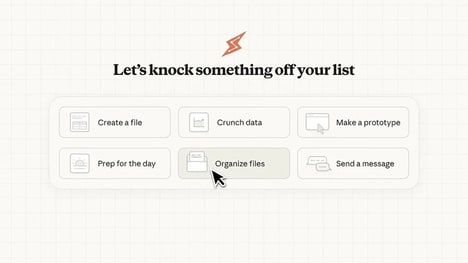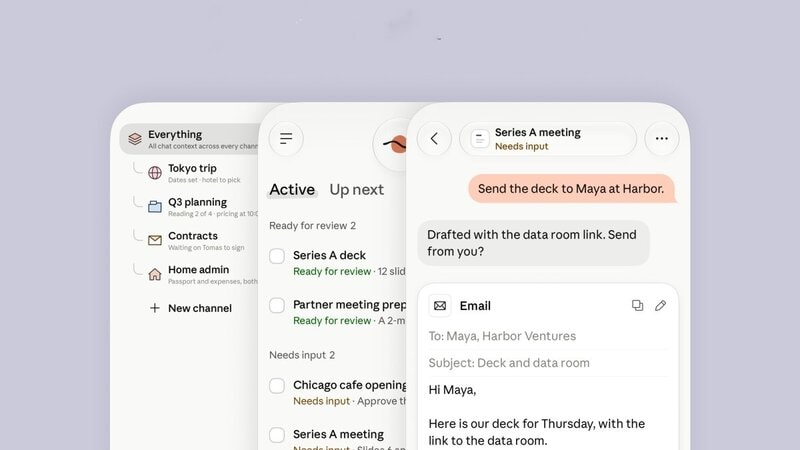
Anthropic is moving into work-focused AI agents with 'Claude Duet,' a mobile and web app for professionals and small businesses. Instead of handling errands or ticket booking, it assembles daily briefings, builds dashboards, and tracks ongoing jobs so it can suggest next steps while tasks continue until approval is needed.
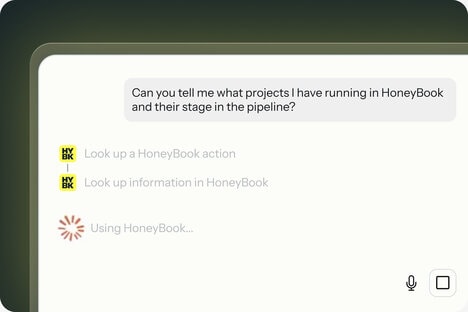
Its reach comes from more than 6,000 Marketplace connectors and checkout support through Stripe's Link or Shop Pay, with approval required before payments go through. A built-in classifier blocks prompts for credit card numbers and government IDs. Claude Duet is in research preview on mobile and the web for Pro and Max customers, with a waitlist for access.
More than 6,000 connectors turn Duet into a workflow layer that can slot into software small businesses already use. Payment approval checks make autonomous AI easier to test in office settings where speed matters but unchecked actions carry risk.
Image Credit: Claude
What's Driving This Trend
- Agentic Workflow Management
- AI agents that monitor jobs, compile briefings, and recommend next steps create openings for software that turns fragmented small-business operations into continuous, approval-based workflows.
- Connector-driven Automation
- Large marketplaces of integrations position AI tools as orchestration layers across existing apps, expanding the potential for lightweight automation without major platform migration.
- Guardrailed AI Payments
- Approval checkpoints and sensitive-data classifiers make autonomous purchasing more practical for workplaces, creating room for trust-centered transaction systems around AI agents.
Who This Affects Most
- Small Business Software
- Operational platforms for small businesses can evolve around AI assistants that coordinate dashboards, tasks, and approvals across everyday tools.
- Fintech Payments
- Payment providers gain relevance as AI agents initiate commerce under human oversight, reshaping checkout infrastructure for semi-autonomous business activity.
- Cybersecurity
- Data protection and prompt-screening systems become increasingly important as workplace agents access connected apps, customer records, and financial workflows.