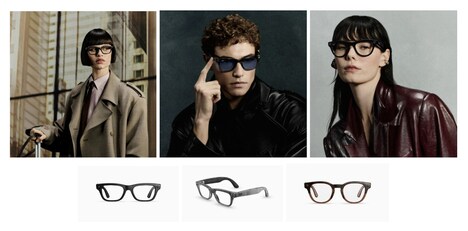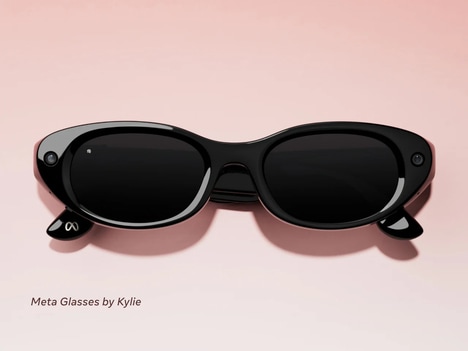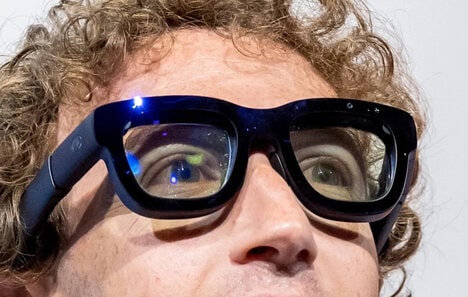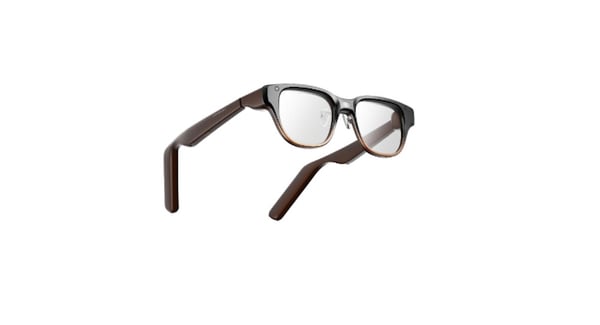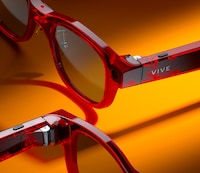

Meta is building a more wearable take on VR with the 'Meta VR Glasses' and the 'Muse Charm,' a handheld companion for its Muse AI personal agent. The pairing points to lighter hardware and faster AI access without opening a phone app.
The glasses use a separate puck for processing and power, keeping the frame slimmer than a typical headset. Eye and hand tracking make interaction feel less reliant on controllers, nudging VR toward a more natural, wearable rhythm. Muse Charm extends this idea to AI use with a dedicated object for quick conversation.
For consumers, this means Meta is trying to move AI and VR beyond app-based sessions and into something more ambient throughout the day. Rival devices now have to compete with hardware that feels easier to wear and easier to talk to.
Image Credit: Meta
Key Themes Behind This Trend
- Ambient AI Companions
- Dedicated wearable objects create new space for always-available personal agents that blend voice interaction, context awareness, and daily utility beyond smartphone apps.
- Lightweight Spatial Wearables
- Slimmer VR glasses with separated processing hardware signal opportunities for spatial computing products that feel more like everyday accessories than immersive headsets.
- Controller-free Interfaces
- Eye, hand, and voice tracking reduce reliance on traditional inputs, opening room for more intuitive interaction systems across consumer and enterprise environments.
Where This Applies
- Consumer Electronics
- Wearable AI and VR hardware introduces differentiated product categories where comfort, speed, and conversational access become core competitive features.
- Augmented Reality
- Lighter glasses and natural input methods accelerate the shift toward mixed-reality devices designed for frequent, ambient use throughout the day.
- Artificial Intelligence
- Personal AI agents housed in dedicated hardware suggest new service models centered on persistent assistance, multimodal interaction, and device-level integration.