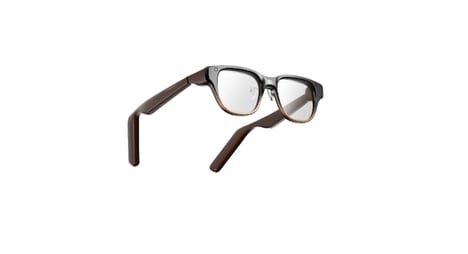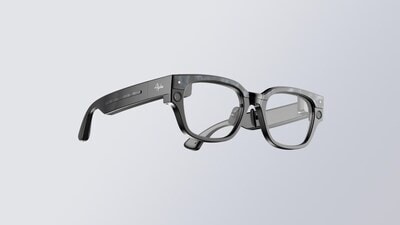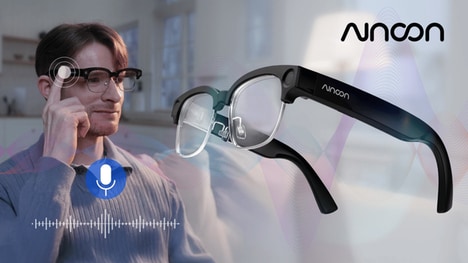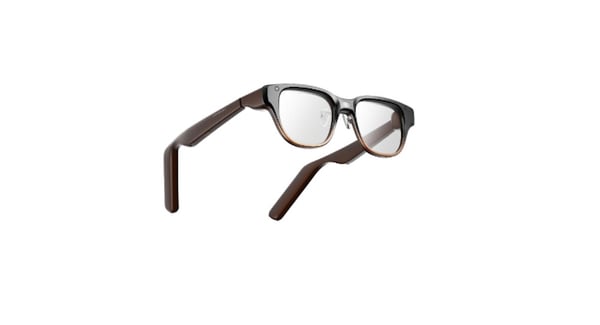

Google confirmed plans to launch its first Gemini-powered AI glasses in 2026, positioning the devices as everyday wearables that look like regular frames while adding intelligent assistance. Built with partners Samsung, Gentle Monster, and Warby Parker on the Android XR platform, the lineup includes two distinct models. One centers on audio-based help, while the other integrates a discreet display inside the lenses for glanceable information.
The audio-focused glasses use onboard speakers, microphones, and cameras to let wearers speak naturally with the Gemini assistant, capture photos, and ask contextual questions about their surroundings. The display model layers navigation prompts, translation captions, and other timely details directly into the user’s field of view, with processing handled wirelessly by a connected smartphone. Early demos highlighted live language translation and on-the-go guidance, and the frames maintain a conventional fashion-forward silhouette.
For consumers, the glasses point to a shift from screen-based to ambient computing, where assistance is available without pulling out a phone. The combination of familiar eyewear styling, hands-free controls, and real-time translation targets travelers, commuters, and productivity seekers alike. As they enter a market already energized by Meta’s Ray-Ban lineup and other AI wearables, Google’s approach underscores how smart glasses are evolving into practical, socially acceptable devices rather than niche tech accessories.
Image Credit: Below the Sky / Shutterstock
What Makes This Trend Stand Out
- Ambient Computing
- This trend captures the evolution away from screen-based interactions towards seamless, ambient digital experiences facilitated by AI.
- Fashion-forward Wearables
- As artificial intelligence integrates into stylish everyday items, a new wave of aesthetic yet functional eyewear emerges.
- Real-time Language Translation
- Smart glasses offering live language translation in the user's field of view open up new opportunities in global communication.
Sectors Adopting This
- Augmented Reality Eyewear
- The advancement in discreet in-lens displays presents vast potential for immersive navigation and information layering in day-to-day life.
- AI-powered Wearables
- Integration of complex AI systems into wearable devices is redefining personal technology, making it more intuitive and context-aware.
- Travel and Hospitality
- AI-driven translation and navigation features in smart glasses are poised to transform the tourism experience, providing travelers with instant localized guidance.