

Category
Lifestyle
Baseline Support
What's Happening
Adaptive Controls: Gaming hardware is borrowing from adjacent device categories, bringing their technologies into more portable setups to make play feel more consistent across locations and contexts. From controllers and input tools to peripherals, devices are becoming more configurable, with adjustable inputs and layouts that let users tune controls to their preferences. These additions aim to support more responsive play and more tailored interactions without relying entirely on external systems.
Why It's Happening
Players often expect gaming to fit around their routines rather than be tied to one room or one machine, which is why portability is becoming more important when considering products. Additionally, as gaming spreads across mobile, console, and PC, consumers are likely to value accessories that help unify the experience they get from each platform. Brands must understand that compatibility and customization are becoming core parts of the value proposition, so their products must reduce friction while giving users more control over how they interact with them.
Evidence
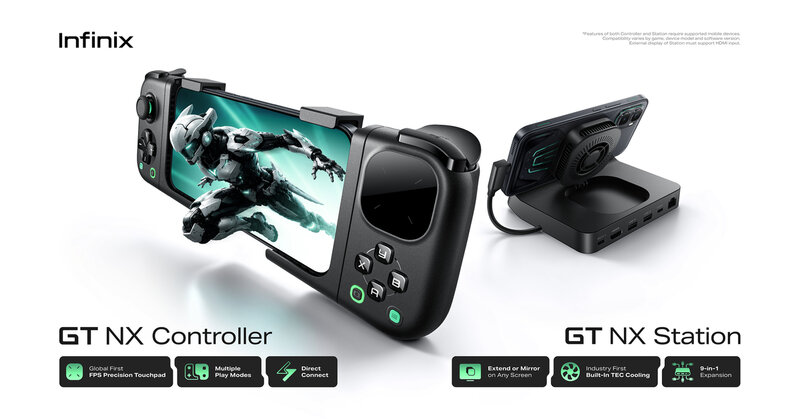
Infinix Turns Smartphones Into Portable Gaming Systems
Console-style smartphone ecosystems introduce new revenue potential through peripherals, competitive play enhancements and deeper player retention.
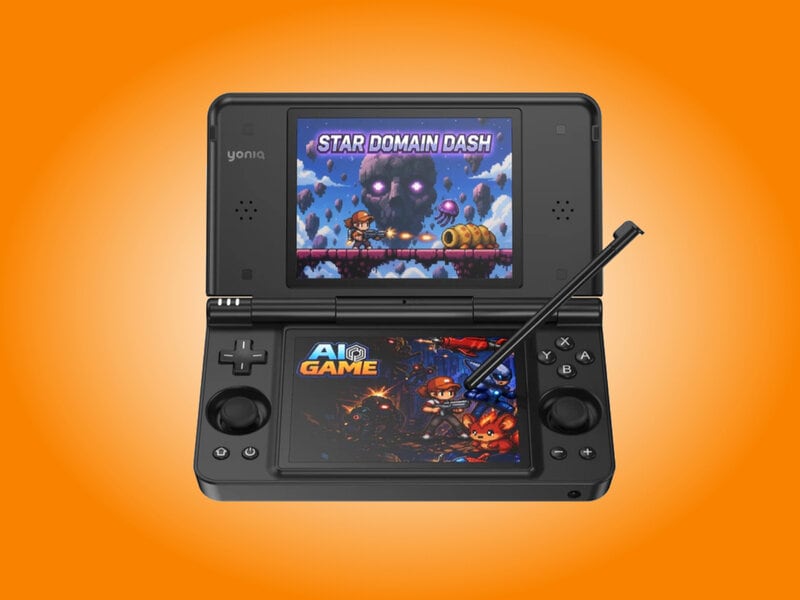
Yoniq Duo Is a Dual-Screen Handheld Game Device
Device makers can differentiate portable consoles through novel screen layouts, hybrid input systems, and value-focused specifications for niche gaming communities.
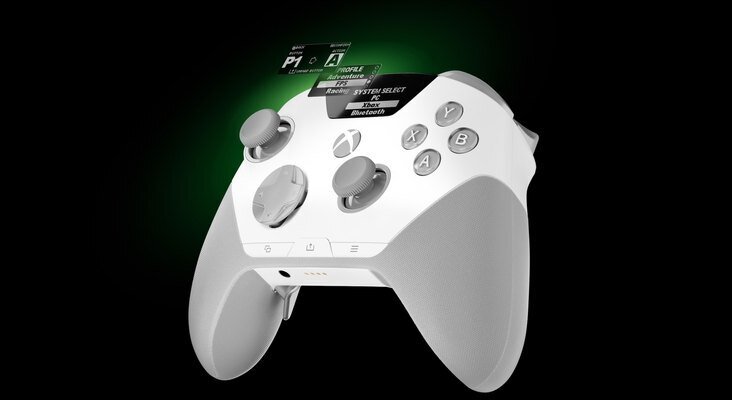
SteelSeries Lets Players Switch Between PC and Xbox
Premium controllers with advanced customization expand the category beyond basic input devices into high-margin ecosystems tied to software and accessories.

DFI Brings Real-Time Analytics to Gaming Machines
Intelligent slot and bingo machines expand the role of gaming floors into data-rich environments with more responsive entertainment and security capabilities.
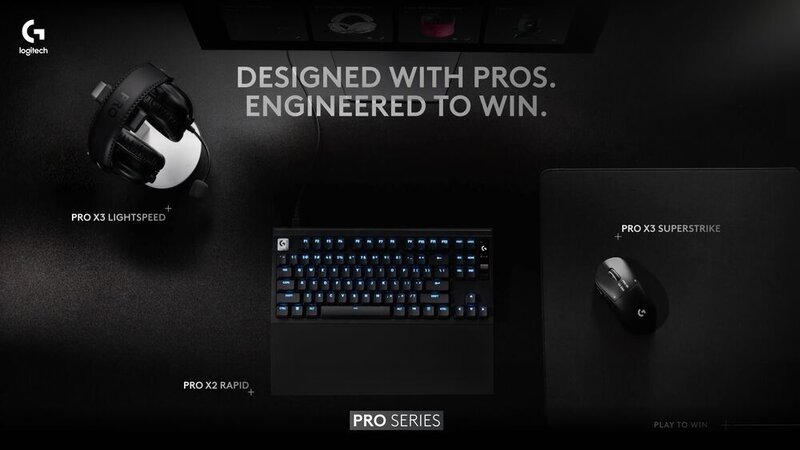
Logitech G Adds Adjustable Clicks and Keystrokes
Advanced sensors, magnetic switches and software-linked customization are expanding the category beyond standard accessories into performance-optimized systems.
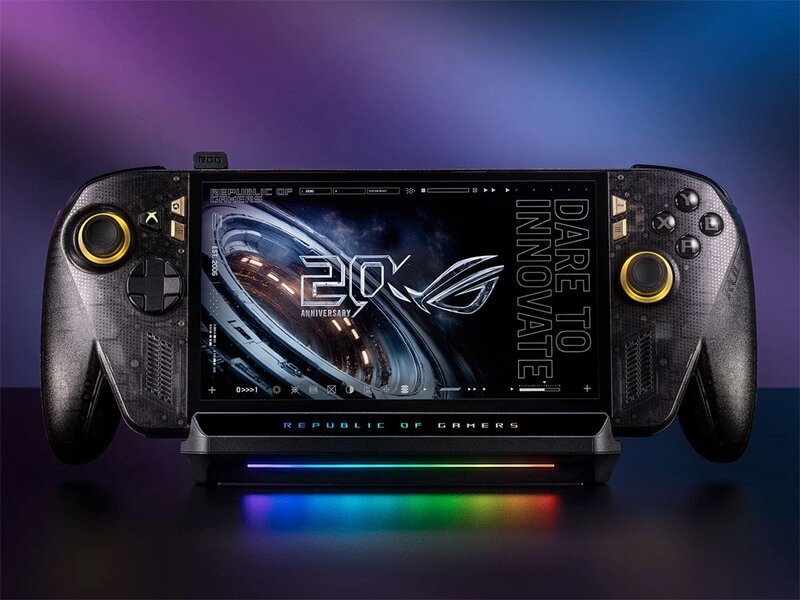
ASUS ROG Introduces the Bulwark Dock DG310
Accessory makers can benefit from demand for modular peripherals that extend the value and lifespan of premium handheld gaming devices.
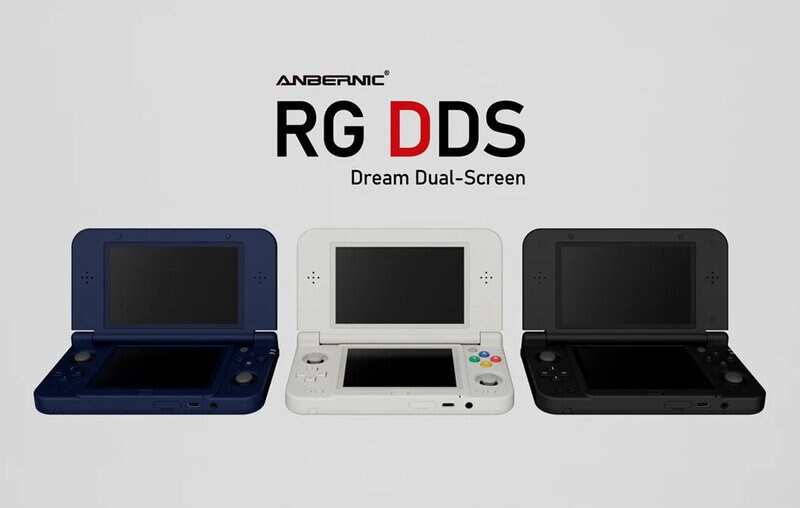
ANBERNIC Introduces Its Foldable RG DDS Console
Specialized handheld devices offer differentiation opportunities as consumers seek dedicated gaming performance beyond smartphones and cloud-only platforms.
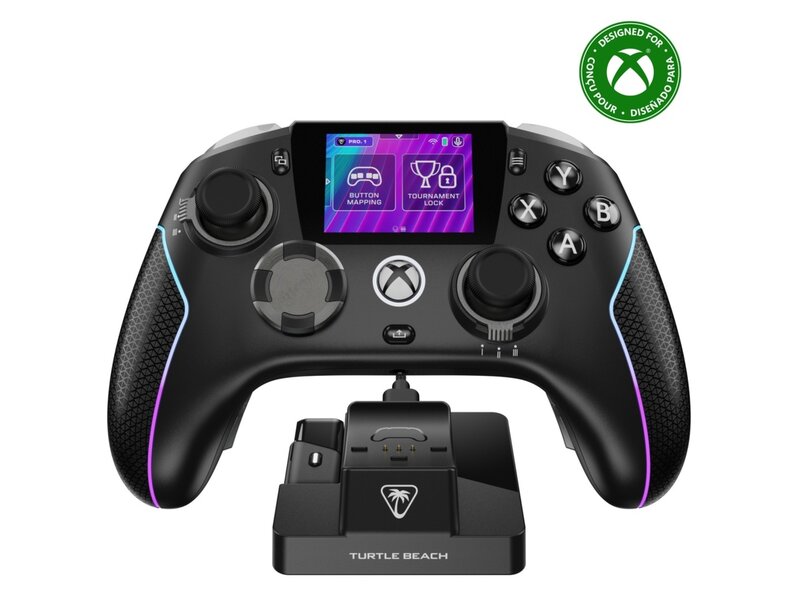
Turtle Beach Adds TMR Sticks and a Larger Screen to Stealth Ultra II
Controller makers are competing through embedded customization, advanced sensors, and bundled accessories that elevate peripherals into premium performance ecosystems.
Added – · 7 articles · 3 added to evidence ↑

GPD Prepares A More Powerful Win Mini Handheld With A Larger Screen And Redes

Retroid Begins Shipping Its Dual-Screen Pocket Duo Gaming Handheld
Xiaomi’s New Tablet Can Double As A Portable Gaming Display

Honor Adds a WIN Key to Its WIN 2 Phones
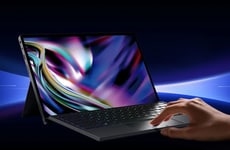
OneXPlayer Super X Pro Targets High-End Gaming And AI Workloads
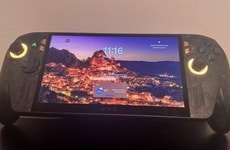
Asus Adds A Brighter OLED Screen To Its Gaming Handheld

Anbernic Prepares A More Powerful Dual-Screen Retro Handheld
Workshop question
How could your brand make one product work more seamlessly across the different contexts where customers use it?
Trajectory
Latest reading 8.0 for the week of Oct 19, 2026. Holding over the final 3 scored weeks (±0.0), at its peak of 8.0. Momentum 2.4/10, persistence 2.5/10.
Trend themes
Gamers’ movement across console, PC, mobile, and handheld environments is creating space for accessories that preserve familiar inputs, profiles, and performance across fragmented play setups.
Adjustable actuation, remappable layouts, swappable components, and on-device settings reflect a shift toward peripherals that treat control feel as a configurable performance layer.
Portable gaming devices are absorbing features from consoles, tablets, docks, and productivity hardware, opening room for formats that adapt to travel, desktop, and living-room contexts.
Industry implications
Peripheral and device makers can differentiate through modular ecosystems that combine durability, compatibility, and advanced input tuning into premium product platforms.
Smartphones, docks, displays, and handheld devices are converging around entertainment-first use cases, making flexible accessory ecosystems a source of added value.
Game developers and platform owners benefit from control schemes that support multiple screens, touch, stylus input, and physical peripherals, expanding how content can be experienced.
20 Trend Hunter articles were grouped into the wider weekly cluster this trend was identified in, over 3 weeks.
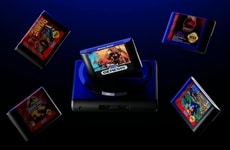 Wireless Retro Cartridge ConsolesAnalogue Builds Wireless Support Into Its Super Nt and Mega Sg
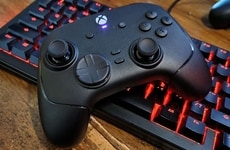 Capacitive Gaming ControllersRazer Adds Contactless Sticks To Xbox Controller
 Compact Cloud ControllersXbox Shrinks the Nano Controller for Smaller Hands
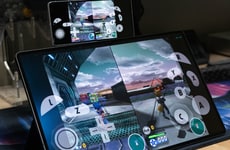 Cross-Platform Emulator FeaturesDolphin Emulator Brings Netplay to Android Builds
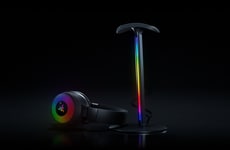 Automated RGB Headset StandsRazer Introduced Its Base Station V3 Chroma
 Accessible Aesthetic PC CasesHYTE Brings Premium PC Design to a $99.99 Case
 Wireless Open-Back HeadsetsHyperX Cloud Alpha Air Combines Wireless Gaming with Open-Back Audio