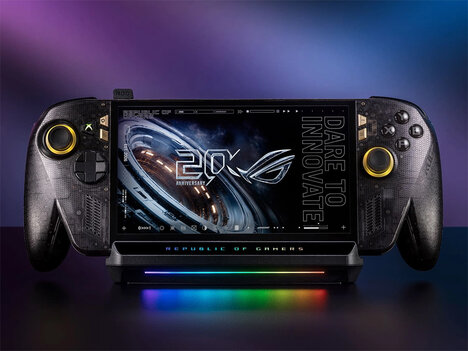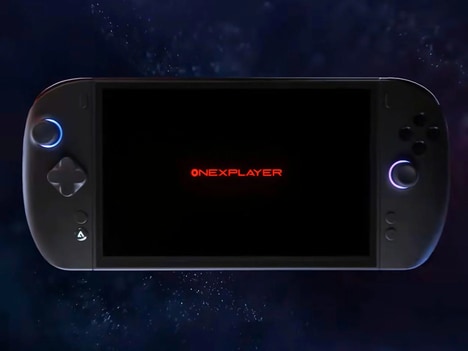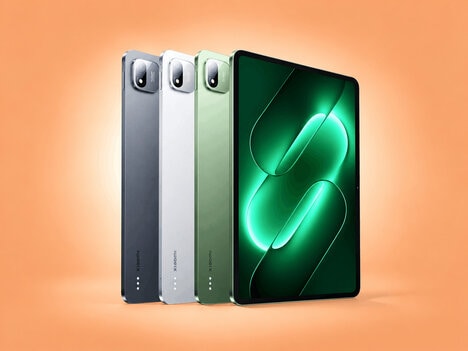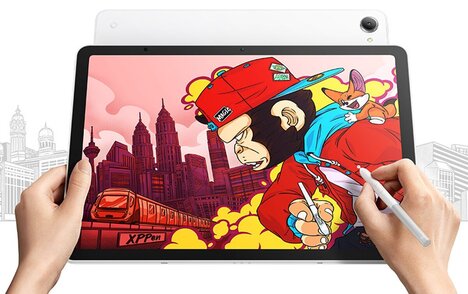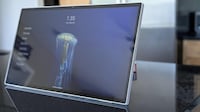
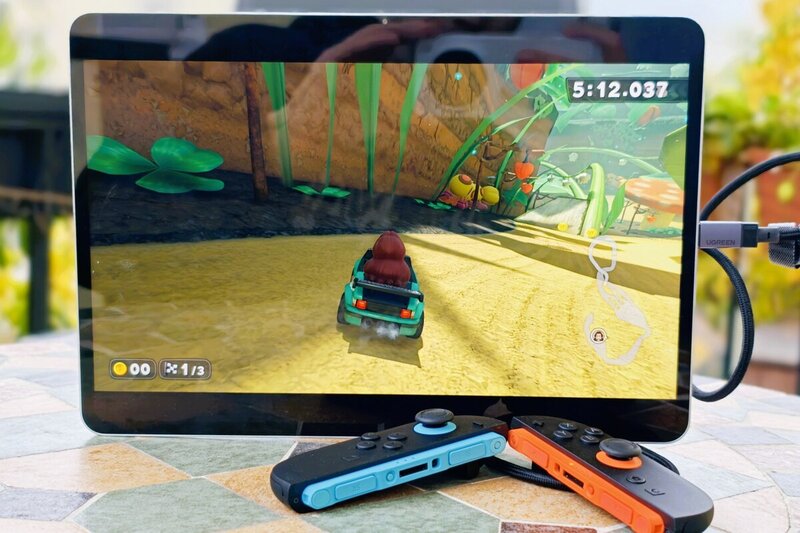
Xiaomi’s Pad 9 Pro Max has a DisplayPort input that lets it receive video from handheld consoles such as the Nintendo Switch 2 and Steam Deck. This means players can use the tablet as a larger screen while travelling, whether on a train or in a hotel room, without carrying a separate portable monitor.
To connect, users need a USB-C cable that supports video output and must enable Xiaomi’s Display Extension Pro mode. Audio is then transferred through the same connection. The tablet has a 13.3-inch display with a 144Hz refresh rate, offering a larger and smoother view for handheld gaming.
The feature also gives the tablet a use beyond its own Android apps, allowing it to act as an external display for compatible devices.
Image Credit: Marcus Hebrich
Why This Trend Is Growing
- Dual-use Gaming Tablets
- Tablets with video input capabilities blur the line between personal computing devices and portable monitors, creating space for multifunctional hardware that reduces travel gear.
- Handheld Console Expansion
- Portable gaming ecosystems are gaining value from accessories and companion screens that improve play comfort without replacing existing consoles.
- USB-C Display Convergence
- Standardized video, audio, and power connections are enabling simpler cross-device experiences across tablets, consoles, laptops, and entertainment hardware.
Industries Being Reshaped
- Consumer Electronics
- Device makers can differentiate tablets through flexible input features that extend usefulness beyond apps, streaming, and productivity.
- Gaming Hardware
- The rise of handheld consoles increases demand for lightweight display enhancements that support higher-refresh mobile gaming experiences.
- Travel Technology
- Compact entertainment setups for trains, hotels, and remote work settings reflect growing interest in portable devices that serve multiple leisure and productivity roles.