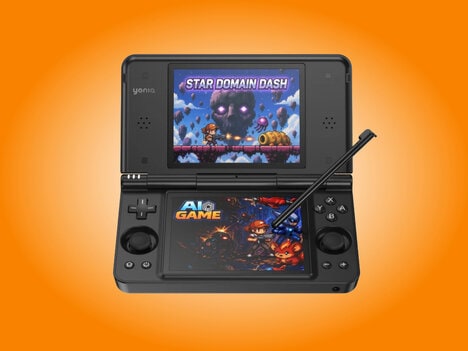
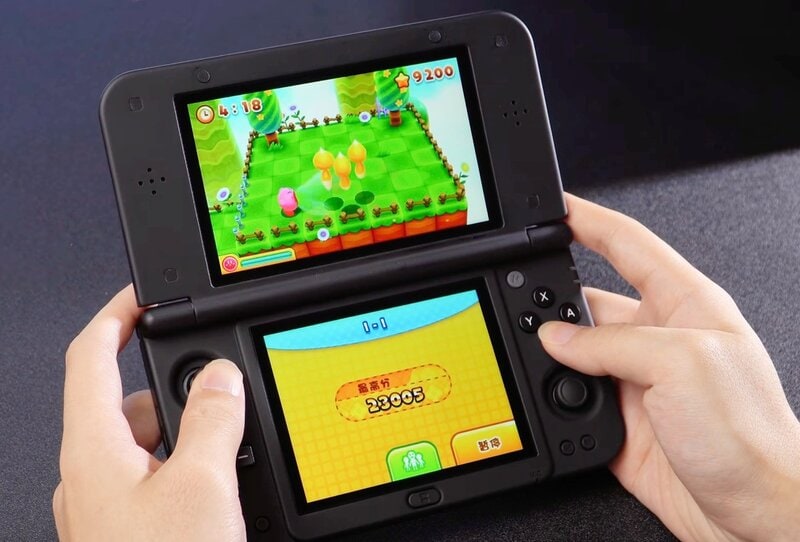
Anbernic is expanding its dual-screen handheld range with the RG DDS, a new model designed to run games from the Nintendo DS, Nintendo 3DS and Wii U libraries. It builds on the RG DS with a more powerful chipset and a built-in stylus, giving players more options for games that rely on two screens and touch controls.
Both IPS displays offer 720p resolution and a 60Hz refresh rate. The device also runs a customised version of Android designed to make better use of its dual-screen layout.
With support for a wider range of dual-screen games, the RG DDS gives Anbernic a more specialised option for retro gaming fans. Its higher price puts the focus on players who want a portable device built around two-screen gameplay, rather than a more basic retro handheld.
Image Credit: Anbernic
What Makes This Trend Stand Out
- Dual-screen Emulation
- Specialized handhelds that recreate two-screen gaming experiences create room for premium retro devices built around formats that standard single-screen emulators handle poorly.
- Touch-first Retro Play
- Integrated stylus support and touch controls expand the value of older game libraries by making interaction styles from past consoles feel native on modern portable hardware.
- Android-based Gaming Interfaces
- Customized Android layouts for unconventional hardware signal potential for flexible gaming operating systems tailored to niche device categories and legacy content.
Sectors Adopting This
- Portable Gaming Hardware
- Higher-spec handhelds aimed at dedicated retro players show how device makers can differentiate through specialized form factors rather than broad all-purpose performance.
- Video Game Emulation
- Growing support for DS, 3DS and Wii U libraries highlights a market gap for refined emulation experiences that preserve unique controls, screens and display formats.
- Consumer Electronics
- Compact dual-display devices point to renewed interest in modular screen experiences where nostalgic use cases can influence broader portable product design.