

Category
Business
Visit Magnet
Retail apps merge ordering, browsing, and pickup into one optimized flow.

What's Happening
Meal Junction: Digital meal interfaces are combining discovery, checkout, and fulfillment into one connected path. This shifts food purchasing from a separate errand to a task that can happen inside a broader retail or media experience. Some operators are combining several kitchens or food vendors inside one purchase journey.
Why It's Happening
Consumers are becoming less fixed in where they buy prepared food and more focused on the fastest acceptable option for the moment. This raises the value of interfaces that remove extra steps instead of asking for channel loyalty. As meal options spread across restaurants, retailers, and hybrid venues, choice can become more confusing rather than more empowering. Simple digital pathways matter because they reduce search friction in crowded food environments. The takeaway is that consumers are rewarding access over ceremony.
Evidence
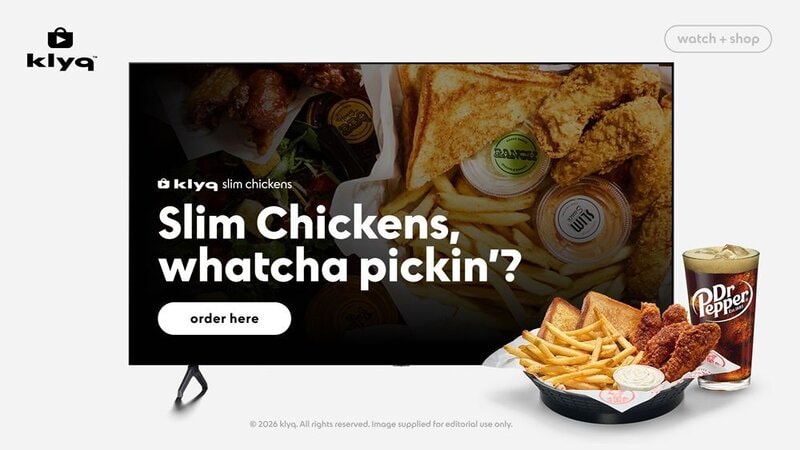
Slim Chickens Puts Delivery Checkout on Samsung TVs
QSR operators can use connected-screen ordering to extend delivery occasions into the home environment while maintaining direct relationships with guests.
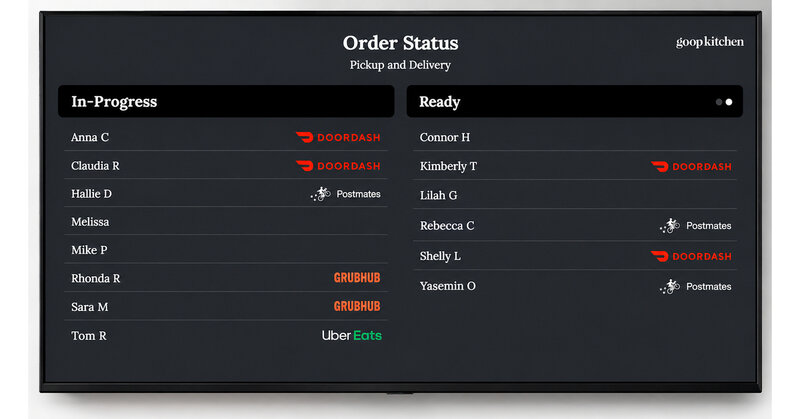
Flybuy Adds a Pickup Status Board to goop kitchen Lobbies
Live tracking interfaces highlight opportunities for software platforms that make front-of-house and off-premise operations more transparent.
Flipkart Tests Eat-in by Minutes with 8,000 Employees in Bengaluru
Alternative commission structures can reshape platform economics and give restaurants more leverage in digital ordering channels.
The Kitchen Introduces Unified Restaurant Ordering
Shared kitchens and multi-brand menus are reshaping restaurant expansion by giving operators access to foot traffic without the full cost of standalone storefronts.
Workshop question
How could your brand make food purchase possible at the exact moment demand appears?
Trajectory
Latest reading 7.8 for the week of Nov 9, 2026. Holding over the final 3 scored weeks (±0.0), at its peak of 7.8. Momentum 6.3/10, persistence 5.0/10, backed by 4 research findings.
Trend themes
Food ordering is increasingly appearing inside retail, entertainment, and device ecosystems, creating space for brands to capture demand at the moment of intent without relying on standalone delivery marketplaces.
Real-time status boards, driver dashboards, and pickup cubbies are turning fulfillment into a more transparent experience where operational clarity becomes part of the customer value proposition.
Multi-brand menus and shared ordering systems are reshaping group dining by reducing fragmented transactions and making mixed-operator food halls easier to navigate.
Industry implications
Connected ordering, kitchen routing, and fulfillment tools are expanding the role of software from transaction support to full meal journey orchestration.
Retail platforms are using prepared food to deepen app engagement, revealing opportunities where grocery, restaurant, and last-mile logistics infrastructure converge.
Smart TVs and digital surfaces are becoming transactional environments, opening new paths for food brands to blend content exposure with direct checkout.
6 Trend Hunter articles were grouped into the wider weekly cluster this trend was identified in, over 3 weeks.
Research
Dining Magnet
Retail trips increasingly need a stronger reason than product access alone.
Food and drink provide a built-in payoff that online shopping cannot fully replicate, making meals, tea, and tasting moments powerful anchors for in-person visits. The broader shift is that consumers justify leaving home when a trip can satisfy multiple needs at once.
Shareable Tables
Consumers still want treats, but they now expect them to do more emotional work: deliver pleasure, create content, and justify the spend.
Dining out becomes easier to defend when it is visibly social, memorable, or aesthetically legible. Restaurants and food brands are responding by making meals feel like events people can post, talk about, and use as signals of taste and belonging.
Meal Channel Drift
People are no longer choosing a fixed food brand as much as the fastest acceptable solution for a given moment.
That puts pressure on every channel to compete across taste, convenience, and value simultaneously. Meal decisions are becoming situational and portable, not brand-loyal and category-bound.
Aisleless Grocery
Consumers increasingly treat food access as a service, not just a store trip.
They want replenishment models that fit fragmented schedules, reduce forgotten purchases, and smooth budgeting or routine care tasks. This matters because the grocery relationship is becoming more continuous and distributed, giving brands and retailers more chances to own recurring behavior beyond the shelf.