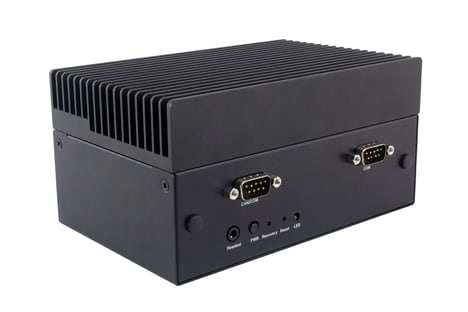

DFI is advancing edge AI gaming systems with computing platforms designed to process graphics, analytics and security functions directly within casino hardware. Its SF101-PTH system uses Intel Core Ultra processing to deliver up to 180 TOPS of combined AI performance across its NPU, GPU and CPU. This enables gaming machines to simultaneously support computer vision for player engagement analytics, on-device fraud prevention and low-latency multi-screen 4K 3D rendering. DFI is demonstrating these capabilities through a live smart bingo machine at G2E 2026.
For gaming operators and manufacturers, processing AI workloads locally can enable faster analysis while reducing reliance on external computing infrastructure. DFI also integrates security and peripheral management into its broader hardware portfolio, helping simplify gaming cabinet architecture and regulatory validation. These capabilities position the company to support increasingly intelligent slot machines and bingo terminals while creating scalable hardware options for manufacturers operating across different gaming markets.
Image Credit: DFI
Why This Trend Is Growing
- Edge AI Terminals
- Localized AI processing in gaming cabinets creates openings for faster analytics, reduced cloud dependence and smarter machine-level decisioning.
- Computer Vision Engagement
- Real-time visual analysis of player behavior introduces new possibilities for adaptive experiences, loyalty insights and operational intelligence in casino environments.
- On-device Fraud Detection
- Embedded security intelligence enables gaming systems to identify suspicious activity with lower latency while supporting compliance-heavy operating models.
Industries Being Reshaped
- Casino Gaming
- Intelligent slot and bingo machines expand the role of gaming floors into data-rich environments with more responsive entertainment and security capabilities.
- Gaming Hardware
- Integrated AI, graphics and peripheral management platforms reshape cabinet design by consolidating functions that previously required separate infrastructure.
- Regulatory Technology
- Machine-level analytics and security features create demand for validation tools that can assess AI-enabled gaming equipment across diverse jurisdictions.