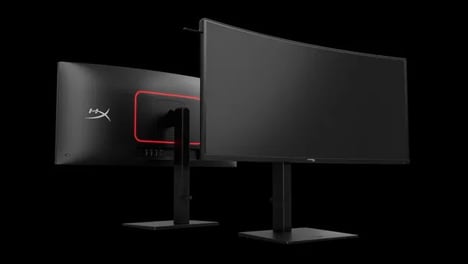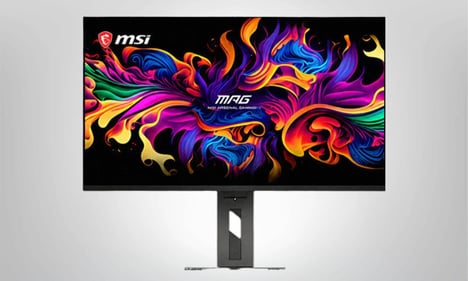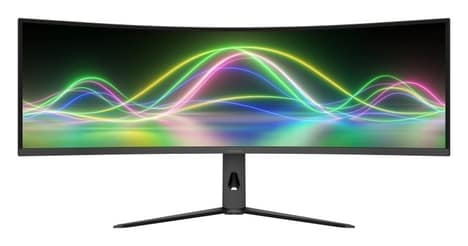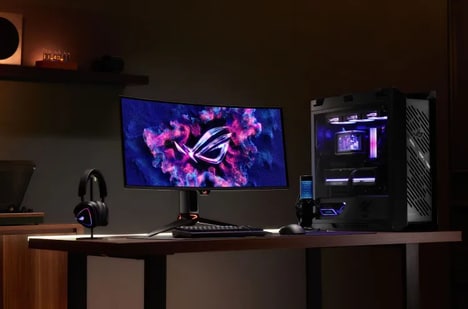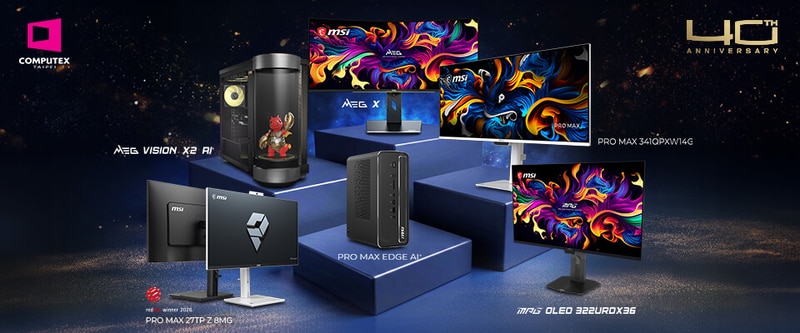
MSI is advancing AI-native hardware by embedding intelligent assistants and local AI processing capabilities directly into consumer and professional computing devices. At Computex 2026, the company showcased monitors equipped with AI agents that learn user preferences and respond through voice or chat interactions, alongside compact edge AI systems capable of handling advanced workloads without relying entirely on cloud infrastructure. This approach transforms hardware from a passive tool into an active participant that can adapt to user behavior and streamline everyday tasks.
The development reflects a growing shift toward integrating artificial intelligence directly into computing ecosystems. As users seek faster, more personalized experiences, manufacturers may increasingly compete on embedded intelligence rather than hardware specifications alone. For businesses, local AI processing can improve responsiveness, reduce cloud-related costs, and address privacy concerns by keeping data closer to the device. Companies that successfully combine intelligent software with physical products may gain an advantage in both consumer and enterprise markets.
Image Credit: Computex/MSI
Why This Trend Is Growing
- AI-native Devices
- Computing products with embedded assistants create new value around adaptive interfaces, personalized workflows, and hardware that functions as an intelligent collaborator.
- Edge AI Processing
- Local inference capabilities reduce dependence on cloud infrastructure while opening markets for faster, more private, and cost-efficient intelligent systems.
- Agentic User Interfaces
- Voice- and chat-based agents inside monitors and PCs signal a shift toward proactive digital environments that learn preferences and anticipate routine needs.
Industries Being Reshaped
- Consumer Electronics
- Device makers can differentiate beyond technical specifications by integrating embedded intelligence that reshapes how users interact with everyday hardware.
- Enterprise Computing
- Workplace hardware with on-device AI introduces opportunities for secure productivity tools, responsive automation, and lower cloud operating expenses.
- Semiconductors
- Demand for compact AI-capable systems expands the market for specialized chips optimized for local workloads, energy efficiency, and real-time performance.