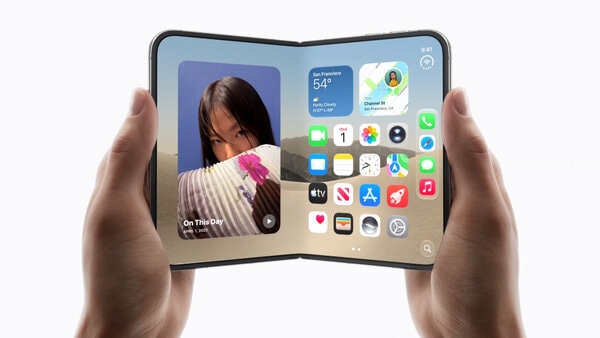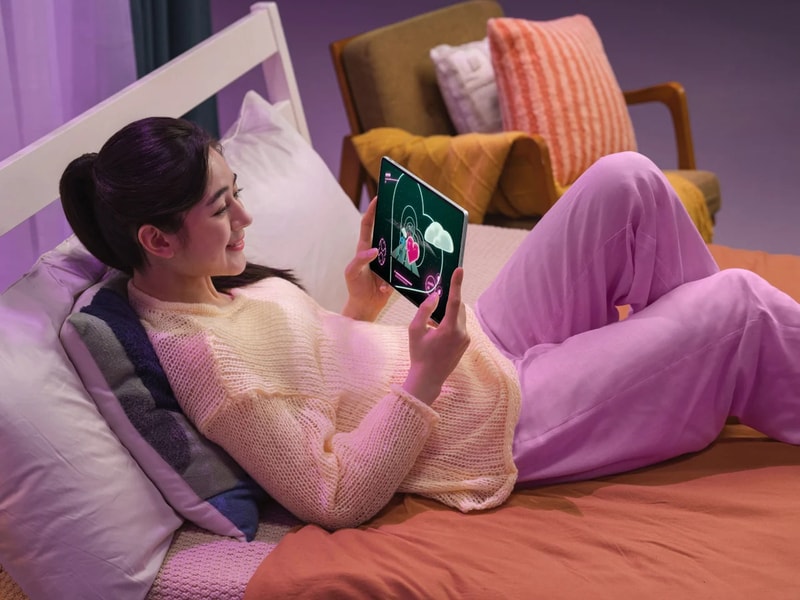
The ASUS Pad is a new Android tablet introduced by ASUS at Computex 2026. The ASUS Pad features a 12.2-inch dual-layer OLED display with a 2.8K resolution, 144Hz refresh rate, and full DCI-P3 color coverage. The tandem OLED panel uses two emission layers to improve brightness, efficiency, and display longevity. The tablet measures 6.5 millimeters thick, weighs 523 grams, and uses a magnalium frame with a fiberglass rear panel. Four Dolby Atmos-tuned speakers provide audio support for media and entertainment applications.
The device runs Android 16 and is powered by a MediaTek Dimensity 8300 processor paired with 8GB of LPDDR5x memory. Storage options include 128GB and 256GB, while a microSD card slot supports expansion up to 1TB. A 9,000mAh battery supports 45W fast charging and reaches 50 percent capacity in approximately 30 minutes.
Image Credit: ASUS
Key Themes Behind This Trend
- Dual-layer OLED Displays
- Tandem OLED panels that stack emission layers point to substantially improved brightness, efficiency, and lifespan that can upend expectations for portable display performance.
- High-refresh Mobile Panels
- 144Hz and higher refresh rates in tablets signal a shift toward smoother interactive experiences that could blur lines between mobile devices and dedicated gaming hardware.
- Lightweight Premium Chassis
- Use of materials like magnalium frames and fiberglass backs suggests a trend toward thinner, lighter devices that maintain structural rigidity while enabling new industrial design approaches.
Where This Applies
- Consumer Tablet Market
- Premium Android tablets with advanced displays and long battery life indicate potential to disrupt market segmentation between entry-level slates and high-end convertible devices.
- Mobile Gaming Ecosystem
- High-refresh, color-accurate screens combined with powerful SoCs and large batteries point to handheld platforms that could challenge handheld consoles for competitive and immersive gaming.
- Professional Content Creation
- Color-accurate, high-brightness portable displays paired with expandable storage present opportunities for mobile workflows in photo, video, and design that reduce dependence on desktop setups.