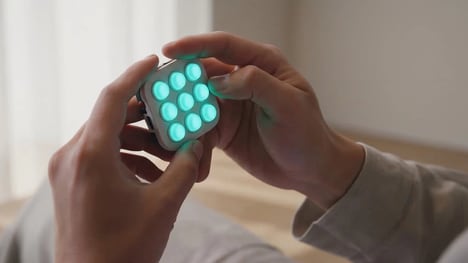
Neuropad is a neurotechnology-inspired mousepad designed to support focus and cognitive performance during computer use. It is positioned as a tool for improving attention and productivity without traditional stimulants or wearables.
The concept describes a device that integrates brainwave sensing through hand contact and delivers feedback signals intended to support focus, creativity, and deep work states. It aims to blend everyday workspace tools with neuro-enhancement technology. The product is designed as a simple plug-and-use accessory that fits into a standard desk setup. It focuses on unobtrusive integration into daily computer workflows.
Neuropad is aimed at professionals and creators interested in productivity enhancement tools. By combining neurotech concepts with a familiar workspace object, it explores new approaches to focus optimization.
Image Credit: Neuropad
What Makes This Trend Stand Out
- Workspace Neurointegration
- Blending neurotech into common desk accessories creates opportunities for unobtrusive cognitive augmentation that shifts where and how focus-enhancing interventions are delivered.
- Passive Cognitive Sensing
- Sensors that infer attention states through indirect contact enable continuous, low-friction monitoring of mental workload without requiring headsets or active user calibration.
- Ambient Neurofeedback Interfaces
- Subtle feedback embedded in peripheral devices offers a new modality for sustaining deep-work states by modulating environment-driven cues rather than relying on explicit apps or pills.
Sectors Adopting This
- Consumer Productivity Hardware
- Integrating brainwave-responsive elements into everyday peripherals signals potential for a new product category that competes on cognitive benefits rather than traditional specs.
- Enterprise Software Platforms
- Workplace systems that incorporate neuro-aware inputs could redefine employee performance analytics and personalized flow-state management at scale.
- Creative Agency Workflows
- Agencies focused on ideation and deep creative work may see novel service models emerge around environments and tools engineered to sustain prolonged creative focus.