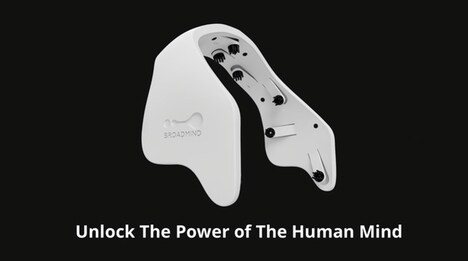

Neurable introduced a non-invasive brain-computer interface platform designed to bring EEG-based neural sensing to wearable OEMs, featuring AI-driven signal processing that interprets cognitive states. The startup, which raised $35 million in December, said it will license the technology so original equipment manufacturers can embed its brain-sensing stack into headphones, hats, glasses and headbands.
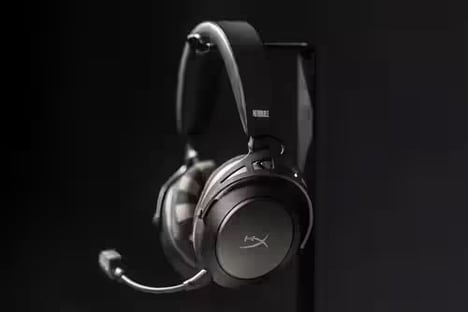
The system pairs scalp EEG sensors with software that analyzes attention and cognitive performance metrics in real time. Neurable described existing partnerships with HyperX for a gaming headset and with iMotions for research testing, and said licensing will allow partners to control product design and distribution.
For consumers, embedded brain sensors could enable hands-free control, personalized focus training and biofeedback-driven experiences that mirror the rise of health and performance wearables, while raising new questions about neural data privacy and consent.
Image Credit: Shutterstock/Ole.CNX
What's Driving This Trend
- Embedded EEG Wearables
- Embedding non-invasive scalp sensors into everyday wearables creates opportunities to shift user interfaces from touch-based to cognitive-state-aware interactions and personalized biofeedback experiences.
- AI-driven Cognitive Metrics
- AI interpretation of neural signals enables continuous, real-time measurement of attention and cognitive performance that could redefine personalization and adaptive content delivery.
- Licensed Neural-platform Ecosystems
- Licensing modular brain-sensing stacks to OEMs can foster an ecosystem of interoperable devices and apps that commoditize neural sensing while accelerating product variety and distribution.
Who This Affects Most
- Consumer Electronics
- Headphone and eyewear manufacturers stand to integrate discreet neural sensing into mainstream products, altering device value propositions and user engagement models.
- Gaming and Esports
- Competitive and casual gaming could incorporate attention and cognitive-state data to enable novel gameplay mechanics, player analytics, and spectator experiences.
- Healthcare and Mental Wellness
- Clinical researchers and wellness providers may leverage non-invasive EEG in consumer formats to expand remote cognitive monitoring, personalized therapy adjuncts, and preventive mental-health services.