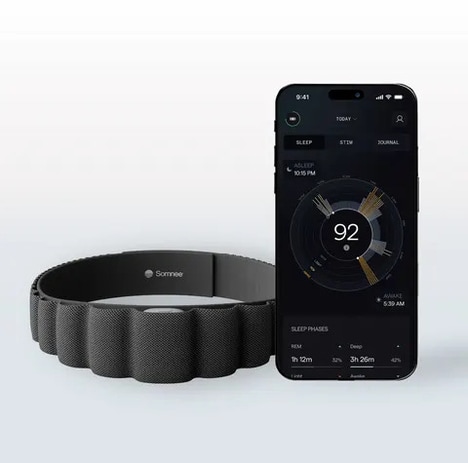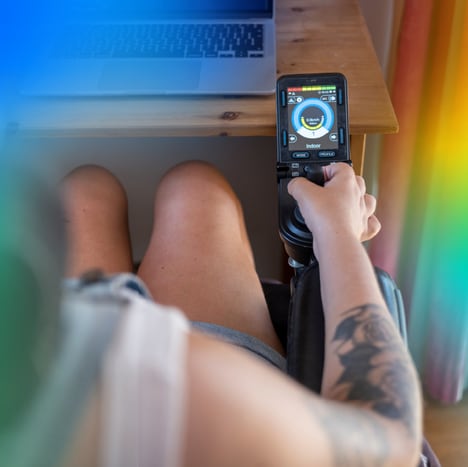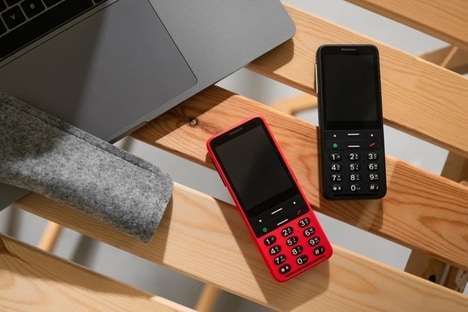
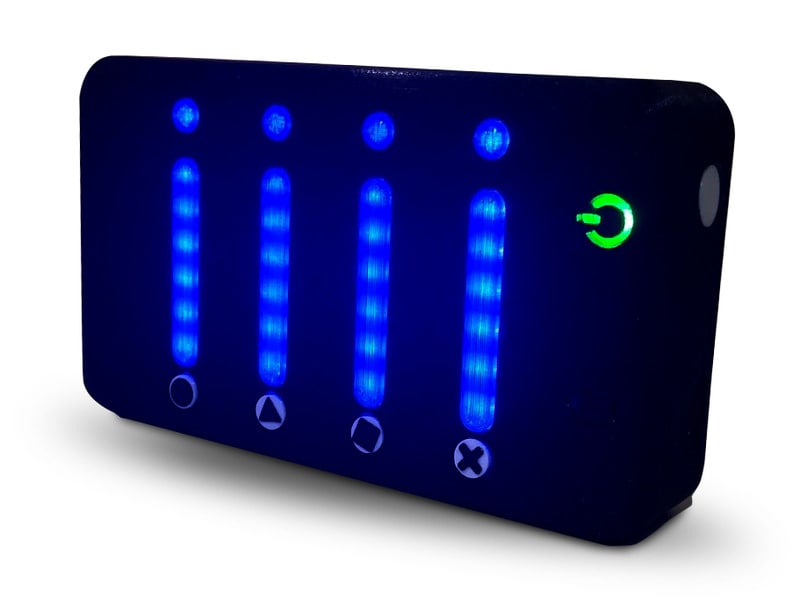
The Think2Switch™ is a technological system that functions by interpreting neural activity to operate external equipment. This allows for the hands-free command of up to four different electronic devices that have been adapted for switch access.
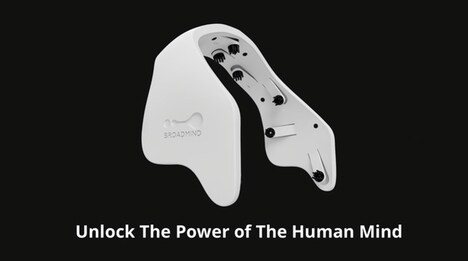
The Think2Switch™ system requires the use of a specialized headset to detect brain signals, which are then processed by proprietary software to generate control outputs. The design philosophy prioritizes user-friendliness, ostensibly making the technology accessible to individuals without any prior experience in neuro-controlled interfaces.
The Think2Switch™ innovation will serve and benefit individuals with severe physical disabilities such as spinal cord injuries, advanced amyotrophic lateral sclerosis (ALS), cerebral palsy, or other conditions that significantly limit voluntary muscle movement. It addresses a fundamental need for environmental control and personal agency where traditional assistive technologies, which may rely on residual limb movement, eye tracking, or breath, are either insufficient or entirely non-viable.
Image Credit: Think2Switch
Key Themes Behind This Trend
- Neuro-adaptive Interfaces
- Technological advancements in neuro-adaptive interfaces are transforming accessibility by enabling direct brain-to-device communication for users with limited mobility.
- Hands-free Device Control
- The innovation in hands-free device control allows individuals with significant physical impairments to interact with technology using brain signals, bypassing traditional input methods.
- User-friendly Neurotechnology
- Rising interest in user-friendly neurotechnology provides opportunities to broaden accessibility to neuro-controlled interfaces for users without prior technical experience.
Where This Applies
- Assistive Technology
- Innovations in assistive technology, such as brain-sensing headsets, are providing new solutions for enhancing independence among individuals with severe disabilities.
- Neurotech Wearables
- The development of neurotech wearables is revolutionizing how individuals with motor function impairments interact with their environments, offering personalized device control.
- Rehabilitation Engineering
- Advancements in rehabilitation engineering are facilitating the creation of novel brain-sensing systems, expanding the capabilities of assistive devices for users with complex needs.