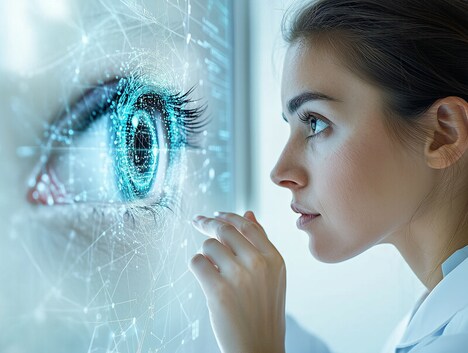

neuroClues introduced a portable, AI-powered eye-tracking headset that captures up to 800 infrared images per eye per second to extract oculomotor biomarkers for neurological conditions. The French-Belgian medtech commercialized the CE-marked Class IIa device in January 2025, aiming to provide neurologists with objective measurements during routine consultations. The headset requires no calibration and pairs with onboard AI models that analyze patients as they follow a moving target, delivering biomarker results within minutes.
neuroClues has integrated the device into research cohorts at the Paris Brain Institute and presented preliminary findings suggesting it can detect Parkinson’s markers years before imaging-confirmed diagnosis. With a €10 million Series A closed to scale commercialization and pursue FDA clearance in 2026, the company plans to expand its clinical rollout across Europe and the U.S. Clinicians could use the headset to shorten diagnostic timelines, reduce misdiagnosis and surface preclinical signals, aligning with a broader shift toward objective, accessible neurology tools.
Image Credit: neuroClues
Why This Trend Is Growing
- AI-driven Oculomotor Biomarkers
- High-frequency eye-tracking combined with onboard AI models enables extraction of objective biomarkers that can reveal neurological disease signatures before conventional imaging detects them.
- Calibration-free Clinical Sensors
- Devices that eliminate patient-specific calibration simplify deployment in routine consultations and broaden use across diverse clinical environments.
- Rapid Point-of-care Neurological Screening
- Minute-scale analyses performed at bedside or in outpatient settings create potential for earlier detection and triage of neurodegenerative disorders.
Industries Being Reshaped
- Neurology Diagnostics
- Objective oculomotor biomarkers offer a path to reduce misdiagnosis and shorten diagnostic timelines for conditions like Parkinson’s and other movement disorders.
- Medical Devices and Wearables
- Compact, CE-marked headsets with embedded AI present opportunities for scalable, regulated hardware-software products targeting clinicians and health systems.
- Clinical Research and Trials
- High-resolution, standardized eye-tracking data can enhance cohort stratification and enable earlier endpoint signals in neurodegenerative disease studies.