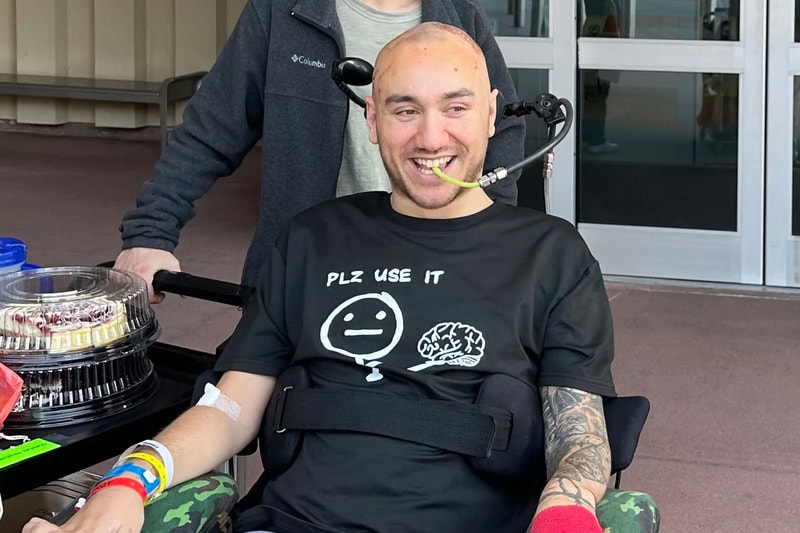
Neuralink’s first human participant, Noland Arbaugh, has shared how his life has transformed 18 months after receiving the company’s brain-computer interface implant. Arbaugh, who became paralyzed below the shoulders following a swimming accident in 2016, underwent surgery in February 2024 at the Barrow Neurological Institute in Phoenix to receive the experimental device.
Since then, Arbaugh has been able to control digital devices with his mind -- playing Mario Kart, browsing the internet, and even managing household appliances. He now uses the device for up to 10 hours a day, pursuing college coursework in neuroscience and launching a professional speaking business. 'I feel like I have potential again,' he said, describing the technology as 'one of the biggest leaps' in decades.
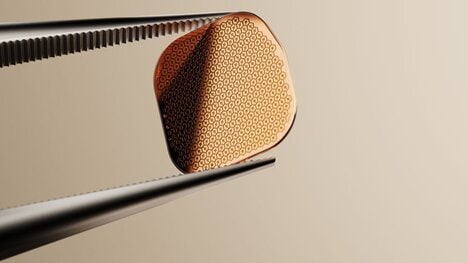
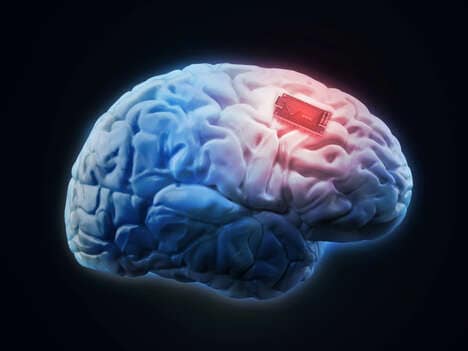
Neuralink’s implant contains over 1,000 electrodes in the motor cortex, offering higher connectivity than most competing BCIs. Unlike wired systems, it is fully wireless, recharging through coils embedded in Arbaugh’s hats. Neuralink has since enrolled additional participants in clinical trials across the U.S., U.K., Canada, and UAE.
Neuralink’s progress demonstrates the commercial and medical potential of invasive brain-computer interfaces. By showcasing a real-world case like Arbaugh’s, the company strengthens investor confidence while highlighting its competitive edge over rivals like Synchron and Blackrock Neurotech. If successful at scale, Neuralink could reshape assistive technology markets, with implications across healthcare, neuroprosthetics, and even consumer tech.
Image Credit: Courtesy of Noland Arbaugh
Why This Trend Is Growing
- Mind-controlled Digital Interfaces
- Harnessing the brain's ability to control devices directly could redefine user interaction, pushing beyond traditional input methods.
- Wireless Brain-computer Systems
- Eliminating wired connections in brain-computer systems enhances user comfort and mobility, paving the way for seamless integration into everyday life.
- Assistive Technology Evolution
- Innovative BCIs have the potential to revolutionize assistive technology, offering unprecedented levels of autonomy and interaction for individuals with physical limitations.
Industries Being Reshaped
- Healthcare
- The healthcare industry stands to benefit significantly from brain-computer interfaces, particularly in rehabilitation and treatment of neurological disorders.
- Consumer Electronics
- The integration of brain-computer technology into consumer electronics could lead to the development of groundbreaking products that change how users interact with their devices.
- Neuroprosthetics
- Advancements in brain-computer interfaces are likely to accelerate growth in the neuroprosthetics industry, offering new solutions for mobility and communication.