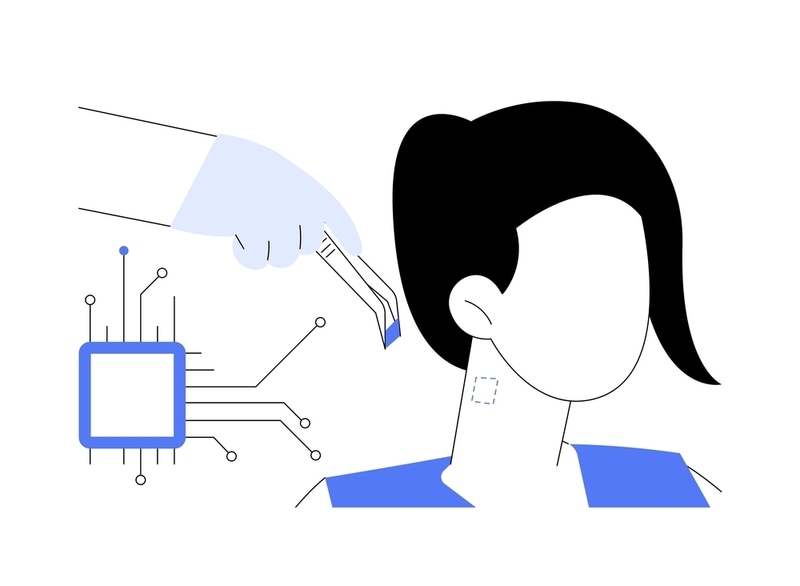
China's National Medical Products Administration cleared an implantable brain-computer interface (BCI) system developed by Shanghai-based Borui Kang Medical Technology, designed to help people with severe paralysis regain hand movement. The invasive system captures neural signals via implanted electrodes and translates them into commands to operate an external assistive glove, and it includes an EEG transceiver, decoding software, medical testing tools and clinical management software.
The regulator specified the device for adults 18–60 with long-standing high cervical spinal cord injuries who retain some upper-arm function but cannot grasp; clinical trials reported meaningful gains in grasping ability under brain-driven control. The approval arrived via China's "innovative medical device" fast-track, signaling stronger policy and funding support for BCIs and neurorehabilitation and marking a notable step toward mainstream clinical use of implantable neural interfaces.
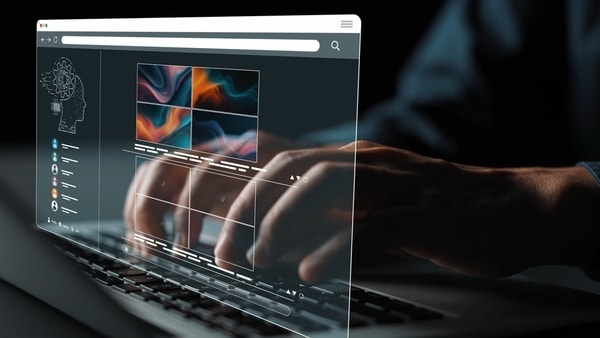
Image Credit: Visual Generation / Shutterstock.com
What Makes This Trend Stand Out
- Implantable Neuroprosthetics
- A move toward permanently implanted interfaces that translate neural signals into motor commands could redefine the hardware-software boundary in prosthetics and assistive devices.
- Closed-loop Rehabilitation Systems
- Increasing integration of real-time neural decoding with adaptive assistive peripherals suggests new hybrid systems that continuously personalize therapy based on brain activity.
- Regulatory Fast-track for Neurotech
- Accelerated approval pathways and targeted funding for innovative neural devices are lowering barriers for clinical adoption and scaling of implantable BCI solutions.
Sectors Adopting This
- Medical Devices
- implantable electrode arrays, EEG transceivers, and biocompatible hardware present opportunities for next-generation surgical implants and long-term neural interfaces.
- Rehabilitation and Assistive Technologies
- The fusion of brain-driven control with assistive gloves and exoskeletons points to a new class of neuroadaptive rehabilitation products tailored to severe paralysis.
- Clinical Data and Software Platforms
- Clinical management systems and decoding software collecting longitudinal neural and outcome data enable platforms for outcome optimization and evidence-driven device improvement.