March 2026’s tech trends centered on two clear themes: advanced fabrication tools becoming more accessible, and display hardware pushing deeper into gaming‑optimized performance. The month highlighted how both creators and consumers are demanding more capability from the devices they rely on every day.
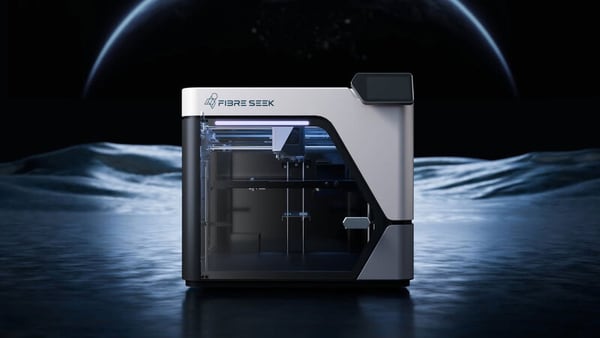
Shift toward high‑strength fabrication was underscored by the FibreSeeker 3, a composite 3D printer built to bring continuous‑fiber printing—carbon fiber, fiberglass, Kevlar—into smaller studios and workshops. Its dual‑extrusion system embeds reinforcement directly into parts, while automated calibration and monitoring help maintain consistency across long runs. With a large enclosed build volume and dedicated software for fiber placement, it signals a broader move toward industrial‑grade output in compact, creator‑friendly machines.
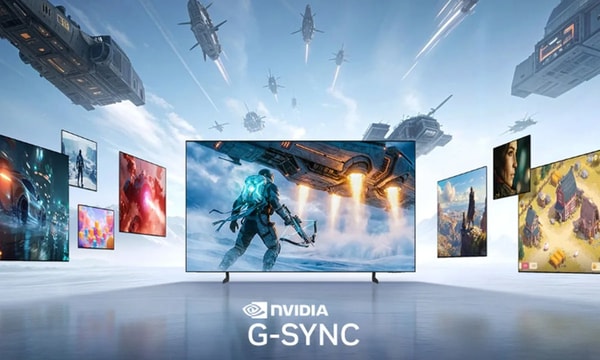
On the consumer side, Samsung’s 2026 OLED TV lineup showed how display tech is evolving for gamers. Models like the S95H and S90H reach up to 165 Hz with NVIDIA G‑SYNC support, while HDR10+ ADVANCED and optional Glare Free coatings aim to improve brightness, contrast, and clarity in varied lighting. Even without final pricing or rollout dates, the emphasis on high refresh rates and gaming‑centric features reflects how TVs are increasingly doubling as performance monitors.
Together, these trends point to a March defined by capability and refinement—tools that let makers produce stronger, more precise parts, and screens that cater to players who want speed and visual fidelity. As 2026 continues, expect more crossover between professional‑grade tech and consumer‑friendly design, with hardware that feels both powerful and approachable.
- Gen Alpha
- Gen Z (primary audience)
- Millennial (primary audience)
- Gen X (primary audience)