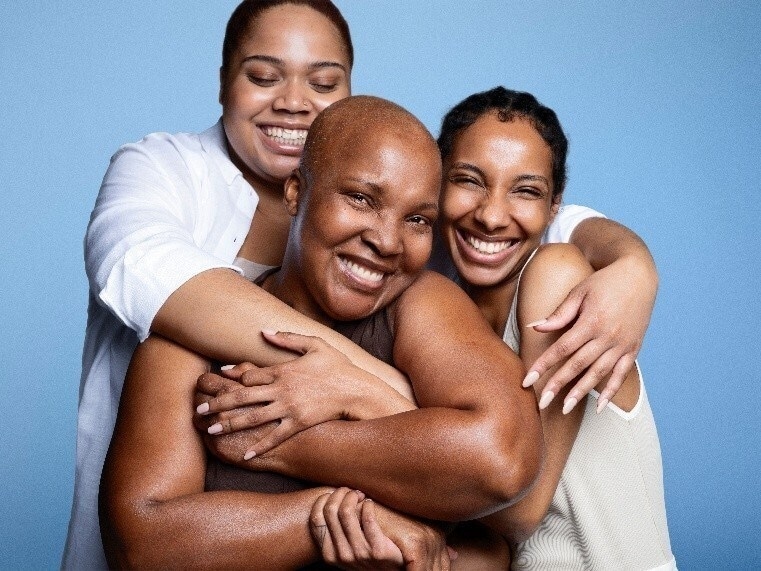
For both Black History Month and World Cancer Day, La Roche-Posay and the Oncology Nursing Society announced a partnership to introduce an oncology skin database—the first-ever Skin of Color Skin Toxicity Photo Repository tailored for the oncology nursing community. While other clinical databases are available for general dermatology, this innovative one will be created specifically to support the oncology nursing frontline, ultimately improving patient safety by filling in gaps in medical imagery.
With this grant, the Oncology Nursing Society will build the evidence-based digital database nurses will use to provide more equitable care, making it easier for nursing professionals to identify early detection signs in patients with darker skin, and provide better care for cancer patients across all skin tones.
Key Themes Behind This Trend
- Equitable Cancer Care
- Advancements in skin databases specifically addressing diverse skin tones can lead to more equitable cancer treatment and diagnosis.
- Digital Medical Imagery
- The creation of digital repositories for medical imagery targeting specific demographics represents a shift towards personalized and precise healthcare solutions.
- Nursing-driven Health Databases
- Nursing professionals are increasingly pivotal in developing tailored healthcare tools, leading to a potential surge in frontline-driven medical innovations.
Where This Applies
- Dermatology
- The dermatology sector is poised to innovate with the integration of skin databases tailored to include diverse skin tones, enhancing diagnostic accuracy.
- Oncology
- Oncology care systems are advancing through specialized databases that assist in cancer detection across various skin types, improving patient outcomes.
- Healthcare-it
- Healthcare-IT's rapid evolution is marked by the development of niche databases, bridging gaps in medical imagery for specific communities.