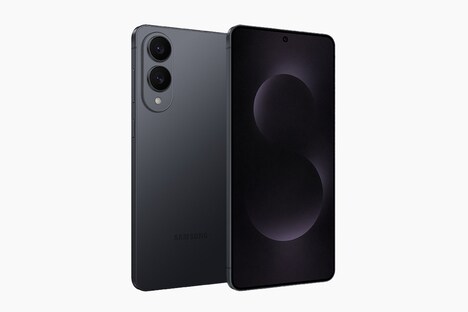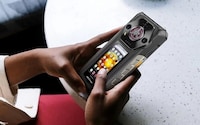
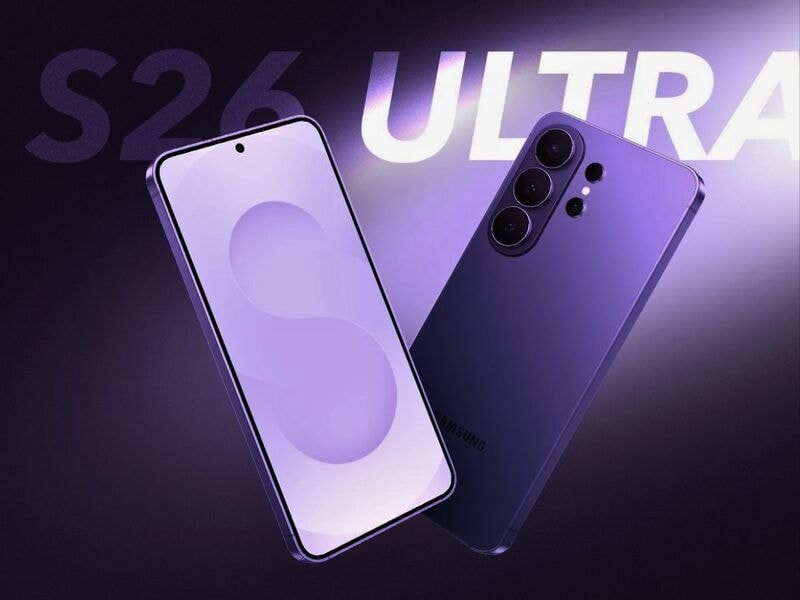
Samsung is set to introduce a built-in Privacy Display on the 'Galaxy S26 Ultra,' features an angle shield with screen pixels that darken when viewed from oblique angles to block side glances. The capability, reported ahead of the Feb. 25 Unpacked launch, embeds anti-peek behavior into the panel rather than relying on an external protector.
Leaks indicate the feature can target parts of the screen—notifications, picture-in-picture windows, or lock-screen content—and includes a crowd mode that may toggle privacy automatically in packed spaces. Reports tied the tech to Samsung Display’s earlier Flex Magic Pixel work and suggest selective masking settings and potential sensor-driven activation.
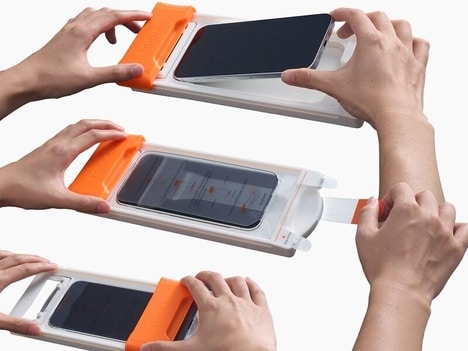
For commuters and privacy-conscious users, an integrated angle-based shield improves on add-on films by offering seamless protection and flexible controls. Moreover, as a hardware-level privacy tool, it signals a trend toward built-in visual security features in flagship phones.
Image Credit: The Sunday Guardian
What Makes This Trend Stand Out
- Built-in Visual Privacy
- Hardware-level screen shielding integrated into displays creates opportunities for devices that inherently protect sensitive information without accessories.
- Selective Content Masking
- Targeted darkening of specific UI elements like notifications and picture-in-picture windows enables interfaces that reveal different content to different viewing angles.
- Sensor-driven Contextual Privacy
- Proximity, crowd-density, or ambient sensors linked to display masking allow screens to dynamically adapt privacy settings based on environment and user presence.
Sectors Adopting This
- Smartphones and Mobile Devices
- Flagship device makers can differentiate products through native privacy displays that change perceived value and use cases for mobile hardware.
- Public Transit and Commuter Services
- Transit operators and infrastructure designers may see altered passenger behavior and screen-design requirements driven by increased private viewing in crowded spaces.
- Digital Advertising and Out-of-home Media
- Angle-dependent visibility challenges traditional ad impressions and opens space for tailored content that only registers from intended vantage points.