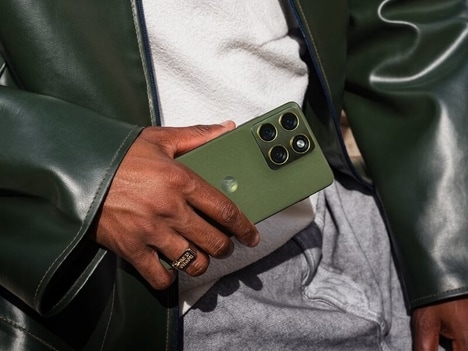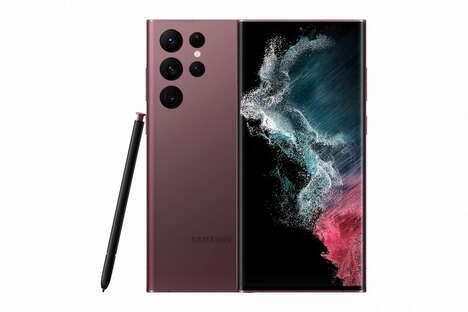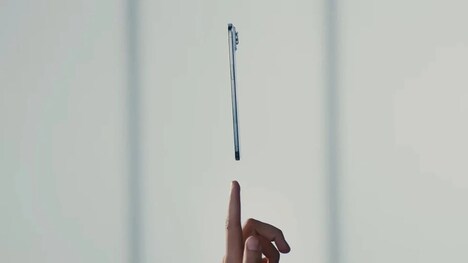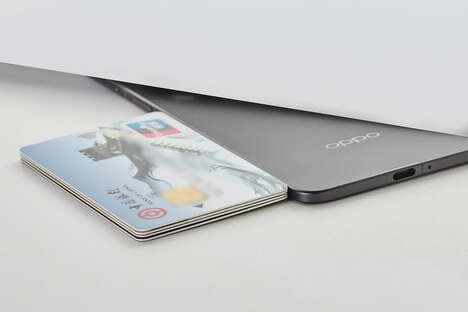
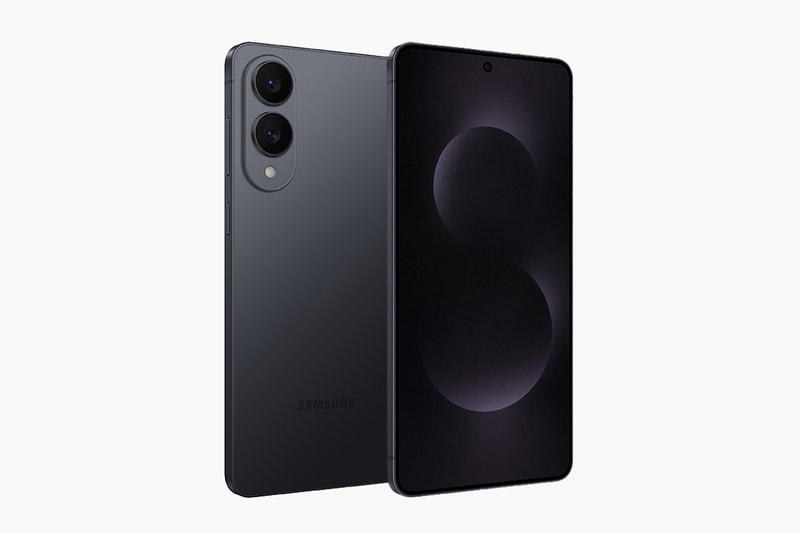
The Samsung Galaxy S25 Edge smartphone has been shown off by the tech brand as the thinnest-ever Galaxy device that promises to provide impressive capabilities without any additional heft. The mobile device measures in at 5.8mm in thickness and is engineered with a titanium frame to help it maintain impressive rigidity that doesn't come at the expense of weight. The device has a 6.7-inch Dynamic AMOLED 2X display with support for QHD+ resolution, which is protected with a Corning Gorilla Glass Ceramic 2 glass.
The Samsung Galaxy S25 Edge smartphone boasts an IP68 rating and a two-camera system that includes a 200MP main sensor with a 12MP ultrawide lens. The smartphone will come in Titanium Silver, Titanium Jetblack and Titanium Icy Blue color options, and is available now for preorder.
Image Credit: Samsung
Why This Trend Is Growing
- Ultra-slim Smartphones
- Manufacturers are pushing for increasingly slimmer smartphone designs, offering sleek aesthetics and enhanced portability without sacrificing performance.
- Titanium Smartphone Frames
- The use of titanium frames in smartphones opens opportunities for greater durability and lighter weight, appealing to those seeking resilient yet elegant devices.
- High-resolution Displays
- Smartphones are integrating advanced display technologies like QHD+ Dynamic AMOLED to enhance visual experiences and redefine mobile content consumption.
- Enhanced Mobile Camera Systems
- The development of advanced camera systems in smartphones, such as a 200MP sensor combined with ultra-wide capabilities, caters to photography enthusiasts and content creators.
Industries Being Reshaped
- Consumer Electronics
- The continuous evolution of smartphone design drives innovation in the consumer electronics industry, emphasizing thinner and more robust products.
- Materials Engineering
- Advancements in materials like titanium for constructing smartphone frames create opportunities for innovation in lightweight and durable electronic products.
- Mobile Photography
- The introduction of sophisticated camera technologies in smartphones encourages new developments in mobile photography, appealing to both amateur and professional photographers.