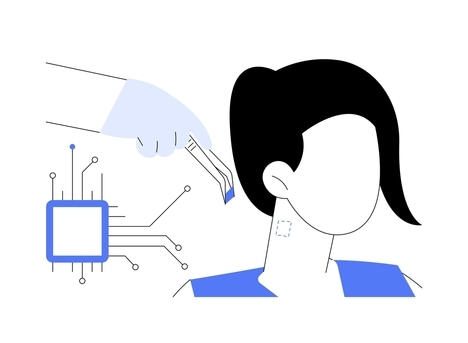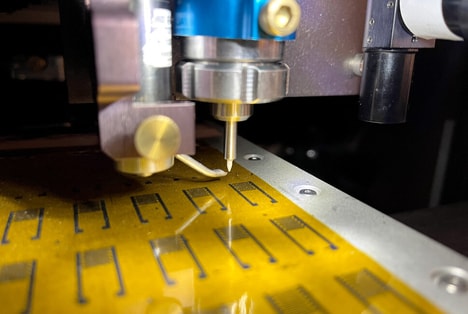
China-based researchers at Tsinghua University and Neuracle Technology introduced NEO device, a coin-sized brain-computer interface implant designed to assist patients with paralysis and spinal cord injuries. The system features eight sensors positioned against the dura mater, the brain’s protective outer layer, allowing it to capture neural signals without penetrating brain tissue. Reports indicate the device has completed clinical trials and received approval for commercial clinical sale, paving the way for mass production within China’s state healthcare system.
The implant connects to an external processing hub that converts neural activity into digital commands and was evaluated in approximately 36 patients during clinical testing. By sitting between the skull and the brain rather than entering the cerebral cortex, NEO is designed to reduce tissue disruption and surgical complexity compared with more invasive brain-computer interface approaches.
For patients, the technology could expand access to assistive neural interfaces while potentially lowering procedural risks associated with implantation. More broadly, the approval highlights growing momentum behind less-invasive brain-computer interface designs that prioritize safety, scalability and clinical adoption as the neurotechnology sector continues to mature.
Image Credit: Shutterstock/Ferawati Micro
Key Themes Behind This Trend
- Less-invasive Brain Interfaces
- Safer implant designs that rest near brain tissue rather than penetrate it create new potential for scalable neurotechnology in mainstream clinical care.
- Clinical-grade Assistive Neurotech
- Regulatory approval for neural devices focused on paralysis support signals a shift toward commercially available systems that translate brain activity into practical digital control.
- External Neural Processing Hubs
- Hybrid implant-and-hub architectures separate signal capture from computation, enabling smaller implants, simpler upgrades and more adaptable assistive device ecosystems.
Where This Applies
- Neurotechnology
- The movement toward minimally disruptive brain-computer interfaces expands the market for medical neurodevices that balance performance, patient safety and large-scale adoption.
- Rehabilitation Medicine
- Advanced neural command systems introduce new pathways for paralysis and spinal cord injury care, connecting clinical rehabilitation with digital mobility and communication tools.
- Medical Devices
- Coin-sized implantable platforms with reduced surgical complexity point to a broader device opportunity around accessible, lower-risk technologies for public healthcare systems.