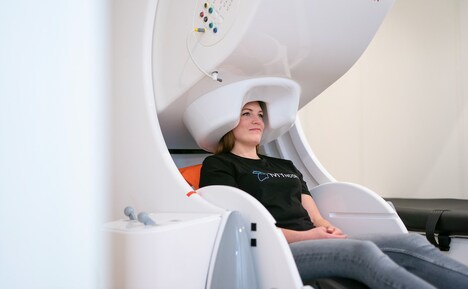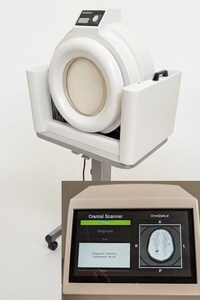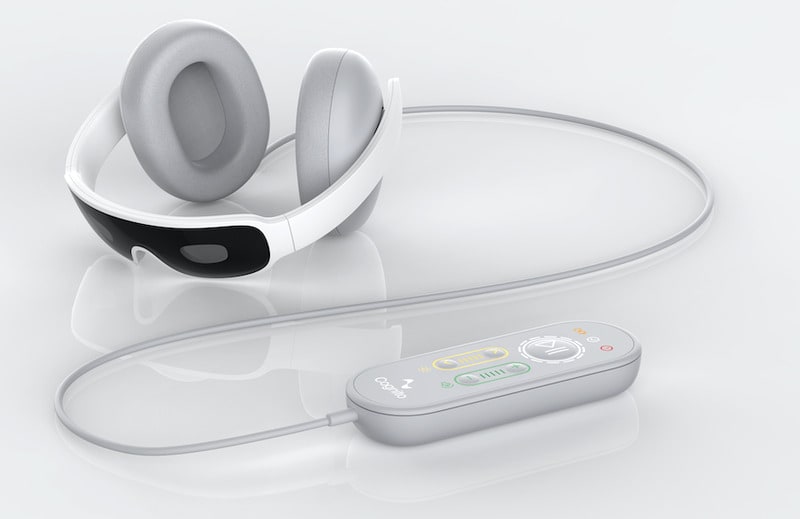
The medical technology firm Cognito Therapeutics has presented new research findings at the 18th Clinical Trials on Alzheimer’s Disease (CTAD) conference concerning its experimental non-invasive device therapy for Alzheimer's disease. This innovation is dubbed Spectris™.
The presented data, which was derived from two separate studies, indicates that use of the device was associated with measurable biochemical changes in cerebrospinal fluid, specifically an increase in a protein linked to synaptic health and plasticity, alongside alterations in other proteins involved in neural protection. Additionally, electroencephalogram readings from a clinical trial suggested the non-invasive device therapy may slow the progression of certain brain wave patterns characteristic of the disease.
Christian Howell, CEO, Cognito Therapeutics, confirmed: “The data presented at CTAD strengthen the biological foundation behind Spectris™ and show that a non-invasive, at-home therapy can engage pathways central to brain resilience and health."
Image Credit: Cognito Therapeutics
What's Driving This Trend
- Non-invasive Neuromodulation
- Emerging non-invasive therapies offer innovative neuromodulation techniques that target neurological diseases like Alzheimer’s without the need for surgical intervention.
- Home-based Health Devices
- Portable and at-home health devices are transforming patient care by providing continuous treatment in a familiar and comfortable setting, making healthcare more accessible.
- Biochemical Biomarker Monitoring
- Advancements in monitoring biochemical markers in cerebrospinal fluid are enhancing our understanding of synaptic health and neural protection, paving the way for precision medicine.
Who This Affects Most
- Medical Technology
- The medical technology industry is witnessing a revolution with the development of devices that leverage non-invasive methods to treat chronic neurological conditions.
- Home Healthcare
- The home healthcare sector is evolving as new technologies enable patients to receive treatment in the comfort of their own homes, increasing convenience and compliance.
- Biotech and Pharmaceuticals
- Biotech and pharmaceutical companies are increasingly focusing on biomarker-driven strategies to develop targeted therapies that improve patient outcomes in neurological diseases.