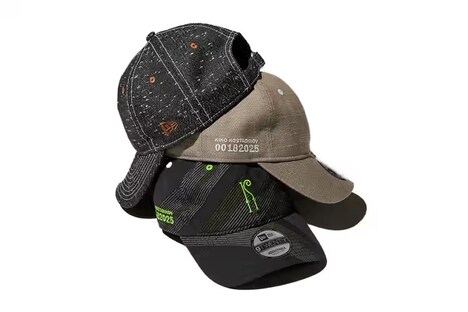

Wearable brain-computer interfaces are advancing with Sabi’s beanie-style device, which uses non-invasive EEG sensors to detect internal speech and convert it into text. This approach offers a more accessible and discreet alternative to traditional typing or voice commands, enabling hands-free communication through thought-based input. By embedding this technology into everyday apparel, the device removes the need for bulky headsets or surgical implants, making neural interaction more practical for daily use.
For businesses, this development opens new opportunities across accessibility, productivity, and human-computer interaction. Companies can create more inclusive tools for individuals with physical or speech limitations while also exploring new forms of seamless digital engagement. It may also accelerate demand for compatible software ecosystems designed around thought-driven input, giving early adopters a competitive edge.
Image Credit: Sabi via Wired
Why This Trend Is Growing
- Thought-to-text Wearables
- A shift toward devices that translate internal speech into text could redefine input paradigms for hands-free and discreet communication.
- Apparel-integrated Electronics
- Embedding sensors and processors into everyday clothing is enabling seamless, always-on interfaces that blur the line between garment and gadget.
- Non-invasive Neural Sensors
- Advances in EEG and surface sensing are making brain-computer interaction more practical and socially acceptable without surgical intervention.
Industries Being Reshaped
- Assistive Technology
- Products tailored to users with speech or motor impairments could be transformed by thought-driven interfaces that offer more intuitive and dignified communication methods.
- Enterprise Productivity Software
- Workflows and collaboration platforms may evolve to incorporate silent, cognitive input channels for faster note-taking and multitasking in professional settings.
- Wearable Fashion-tech
- The fusion of style and sensor technology creates opportunities for brands to offer functional apparel that enables private neural interaction as a lifestyle feature.