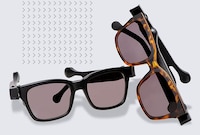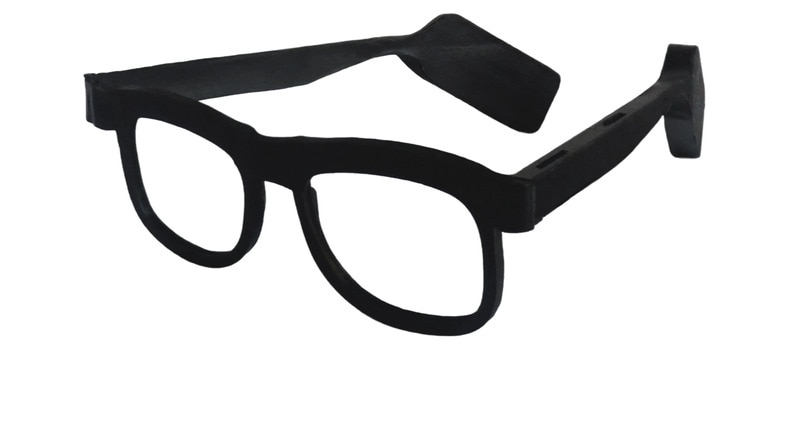
The technology firm HapWare has developed a wearable assistive system named 'ALEYE.' This innovation is designed to interpret and convey non-verbal social signals through touch for individuals who are blind, have low vision, are deaf-blind, or are autistic.
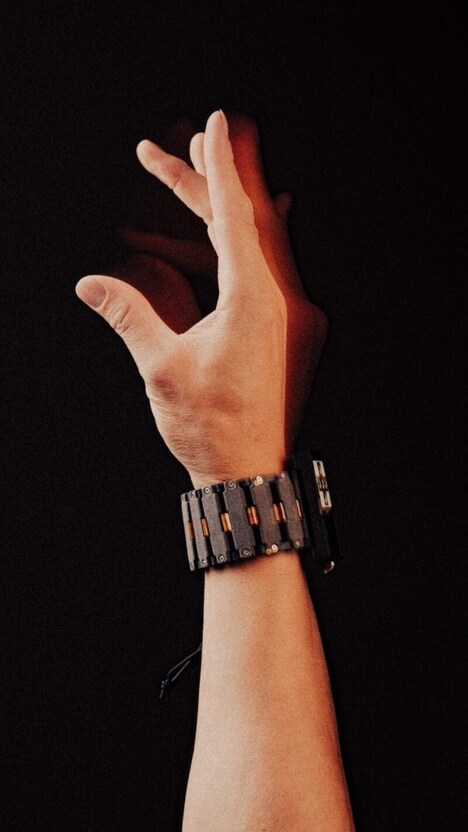
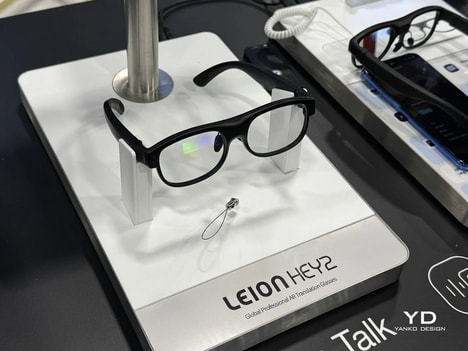
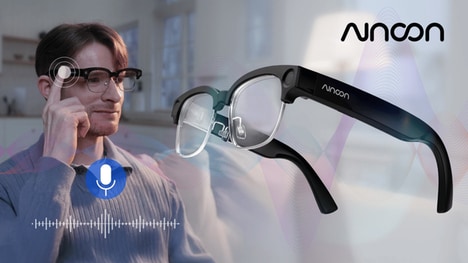
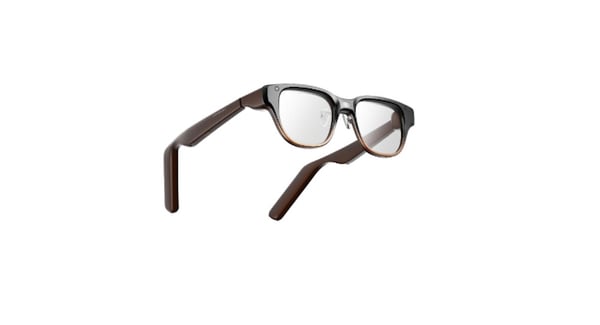
HapWare's ALEYE innovation consists of a wristband that receives data from camera-equipped smart glasses. The wearable assistive system uses proprietary algorithms to detect facial expressions and gestures, then translates each specific cue into a unique vibrational pattern felt on the user's wrist in near real-time. The accompanying mobile application allows for personalization, enabling users to select which cues to receive and to utilize pre-set configurations for different social environments.
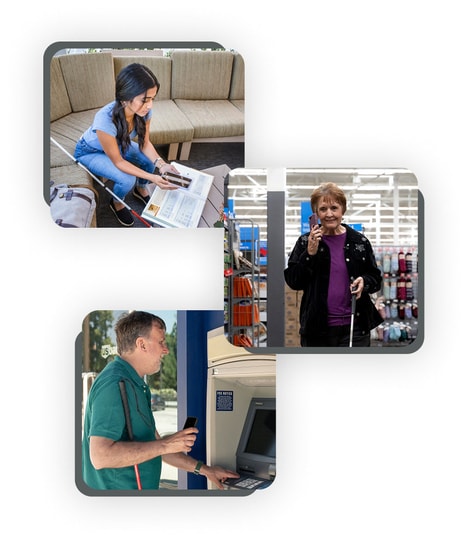
For individuals who are blind or have low vision, this device offers a novel sensory channel to perceive smiles, frowns, nods, or handshakes, cues that are critical for understanding conversational tone, intent, and unspoken feedback.
Image Credit: HapWare
Why This Trend Is Growing
- Sensory Augmentation
- Advancements in sensory augmentation technology allow individuals with sensory disabilities to experience and understand non-verbal cues through innovative wearable devices.
- Real-time Gesture Interpretation
- Real-time gesture interpretation through wearable tech offers instantaneous insights into social interactions by translating physical gestures into vibrational alerts.
- Personalized Assistive Tech
- Personalized assistive technology is creating tailor-fit solutions that cater to the unique social cue interpretation needs of users with customizable settings.
Industries Being Reshaped
- Wearable Technology
- The wearable technology industry is expanding its impact by addressing diverse accessibility needs, providing new opportunities for social independence for individuals with disabilities.
- Assistive Devices
- Assistive devices are evolving toward more seamless integration with everyday life, offering transformative benefits in communication for those with sensory impairments.
- Augmented Reality
- Augmented reality is being harnessed to enhance real-world interactions for users with disabilities, offering new avenues for interpreting and understanding visual social cues.