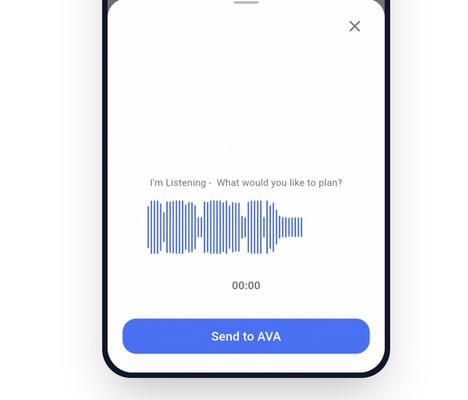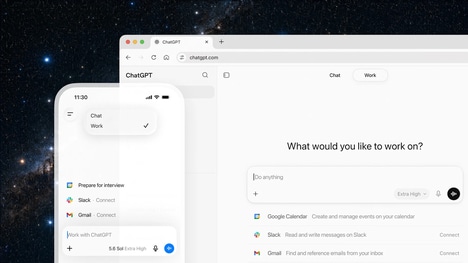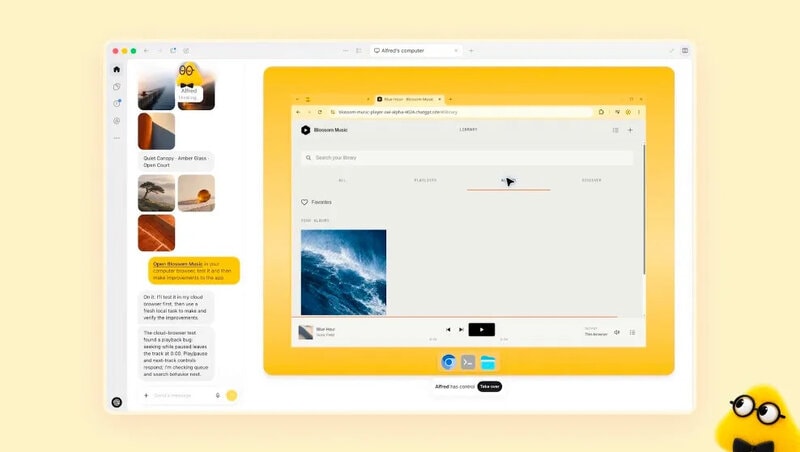
OpenAI is expanding personal AI assistants with Dots, a helper powered by GPT-6 Astra, an AI model, and built to keep pursuing a user's goals without constant check-ins. Rather than sitting inside one device or chat window, the assistant works in the background, aiming to move tasks forward while the user does something else.
A primary dot can be named and shaped around a person's needs, which makes it feel closer to a standing teammate than a one-off chatbot. Users can also reach Dots in Slack, so ongoing work can stay inside an existing team conversation instead of bouncing between separate apps.
Image Credit: OpenAI
Why This Trend Is Growing
- Persistent AI Teammates
- AI assistants that continue tasks in the background create new value around delegation, continuity, and always-available digital labor.
- Embedded Workflow Agents
- Integration into tools like Slack points to a shift where AI support becomes part of existing collaboration environments rather than a separate destination.
- Personalized Goal Automation
- Custom-named assistants shaped around individual needs signal opportunities for adaptive systems that manage recurring priorities with minimal prompting.
Industries Being Reshaped
- Enterprise Software
- Workplace platforms can evolve through agentic AI layers that coordinate tasks, conversations, and follow-ups across team workflows.
- Productivity Technology
- Background AI support introduces room for smarter task management products that reduce manual check-ins and sustain progress between user sessions.
- Collaboration Tools
- Team communication services gain relevance as hubs for autonomous assistants that keep projects moving inside shared channels.