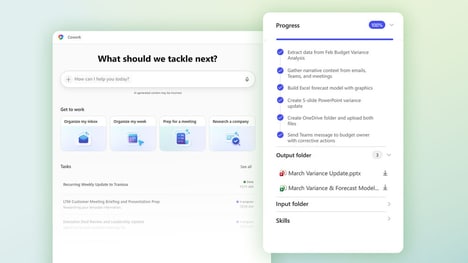
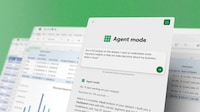
Microsoft is advancing persistent workplace AI agents with Autopilot, a cloud-hosted digital teammate designed to continue working without waiting for individual prompts. Previously called Scout, Autopilot can monitor channels, follow up on conversations, manage recurring tasks and resume projects days later. Users assign the agent a name, role and goal, while it operates with its own identity, memory, computer and workspace. It can also work across Teams, Outlook, chats, channels and documents while following organizational permissions and governance requirements.
For Microsoft, Autopilot expands Copilot from an on-demand assistant into infrastructure for ongoing workplace processes. Businesses could delegate multi-step projects such as supplier reviews while reducing the need for employees to manually coordinate every stage. Its integration across Microsoft 365 also gives organizations a way to automate recurring work without introducing a separate workplace platform.
Image Credit: Microsoft
Key Themes Behind This Trend
- Persistent AI Agents
- Cloud-hosted digital teammates with memory and autonomous workflows create openings for always-on enterprise automation that extends beyond prompt-based assistance.
- Cross-app Work Orchestration
- Unified agents operating across email, chat, documents and collaboration tools signal new models for coordinating recurring tasks inside existing productivity ecosystems.
- Governed Autonomous Workflows
- Permission-aware AI systems embedded within workplace infrastructure point to scalable automation that aligns with compliance, oversight and enterprise security needs.
Where This Applies
- Enterprise Software
- Productivity platforms are positioned to evolve into operational hubs where autonomous agents manage complex business processes across departments.
- Business Process Outsourcing
- Service providers face emerging opportunities around supervising, configuring and optimizing AI agents that take on repeatable coordination-heavy workflows.
- Cybersecurity
- Autonomous workplace agents expand the need for identity controls, activity monitoring and governance tools designed for non-human digital workers.